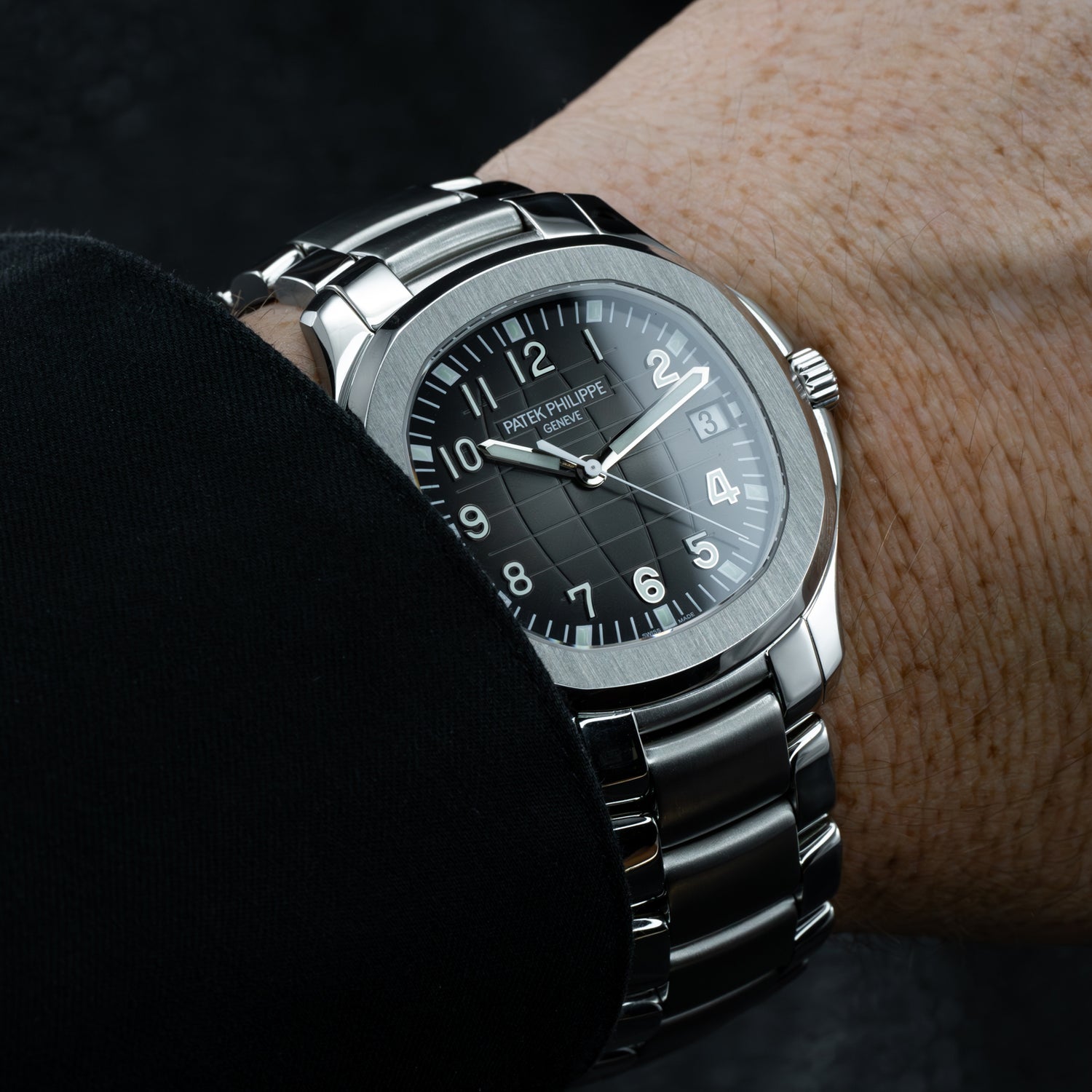

Automatic movements wind themselves off your wrist motion and are the mechanical default for most serious watches today. Manual movements need to be wound by hand and reward the ritual of doing it. Quartz movements run on a battery and are more accurate than either mechanical option, though they're rarely what collectors chase for their own sake. All three just do different jobs, and the right one depends entirely on what you actually want from the watch.
Every watch listing throws around "automatic," "manual-wind," or "quartz" like the reader already knows what those words mean mechanically, and most people just nod along. Here's the actual explanation, the way I'd give it to a friend at a bar instead of in a spec sheet.
How does an automatic movement actually work?
Inside every automatic watch sits a rotor, a small weighted piece that swings freely as your wrist moves. That motion winds the mainspring, which stores energy and releases it gradually to power the watch. Wear the watch daily and it stays wound indefinitely off your own movement. Take it off for a few days and it winds down and stops, which is exactly why serious collectors with multiple automatics own a watch winder to keep pieces running while they're not being worn.
Most luxury sports watches you think of, Submariners, Seamasters, Royal Oaks, run automatic movements. It's the mechanical default for a reason. You get a genuine mechanical watch without the daily ritual of winding it by hand.

How does a manual-wind movement differ?
Same fundamental mechanism, the mainspring stores and releases energy, but there's no rotor doing the winding for you. You wind the crown by hand, typically once a day or every couple of days depending on the power reserve, and that's the entire difference.
Some collectors treat this as a downside. Plenty treat it as the actual appeal. There's a genuine ritual to winding a manual watch every morning that automatic owners never experience, and manual movements tend to run thinner since there's no rotor mechanism taking up space in the case, which is part of why a lot of dress watches stay manual-wind on purpose.
The Omega Speedmaster Professional in its most traditional form is manual-wind, and it's one of the best-known examples of the format still in wide use today. More on the Speedmaster and the rest of the Omega lineup here.
How does a quartz movement work, and why would anyone want one?
Quartz movements run on a battery that sends an electrical current through a quartz crystal, which vibrates at an extremely precise, consistent frequency. That vibration drives the timekeeping, with no mainspring, no winding mechanism, and no rotor involved anywhere in the process.
The real upside: quartz is significantly more accurate than mechanical movements, typically off by seconds a month instead of seconds a day, requires zero maintenance beyond an occasional battery swap, and never needs winding or wearing to stay running. For pure timekeeping precision, quartz wins outright.
The reason serious collectors still chase mechanical pieces anyway comes down to craft. A mechanical movement is hundreds of tiny hand-finished parts working together with no battery at all, and that's the thing people are actually paying for when they buy an automatic or manual watch instead of a quartz one. It's an emotional and craft-based purchase more than a rational one, and there's nothing wrong with that.
Which type should you actually buy?
If daily accuracy is genuinely your top priority and you don't care about mechanical craft, quartz is the answer, even though almost nobody in the luxury space leads with that recommendation.
If you want a genuine mechanical watch and you're the kind of person who'll wear it daily or use a winder, automatic is the easier lifestyle fit. If you like the idea of a small daily ritual and you gravitate toward dressier, thinner cases, manual-wind is worth seeking out specifically.
They're different tools built around different priorities, plain and simple, and understanding the difference makes you a sharper buyer regardless of which one you end up choosing.

What should you actually check on a used movement before buying?
Ask about service history regardless of movement type. Mechanical movements, automatic or manual, typically want servicing every several years depending on the manufacturer's recommendation, and a documented service history tells you the piece was actually maintained rather than run dry. Quartz movements need far less attention, but confirm the battery and any water-resistance gaskets were checked recently if the piece has sat unworn for a while.
For the full pre-purchase checklist beyond just the movement, here's the complete buying guide.
If you're trying to figure out which movement type actually fits how you live, reach out. It's a five-minute conversation that saves people from buying the wrong watch far more often than you'd think.