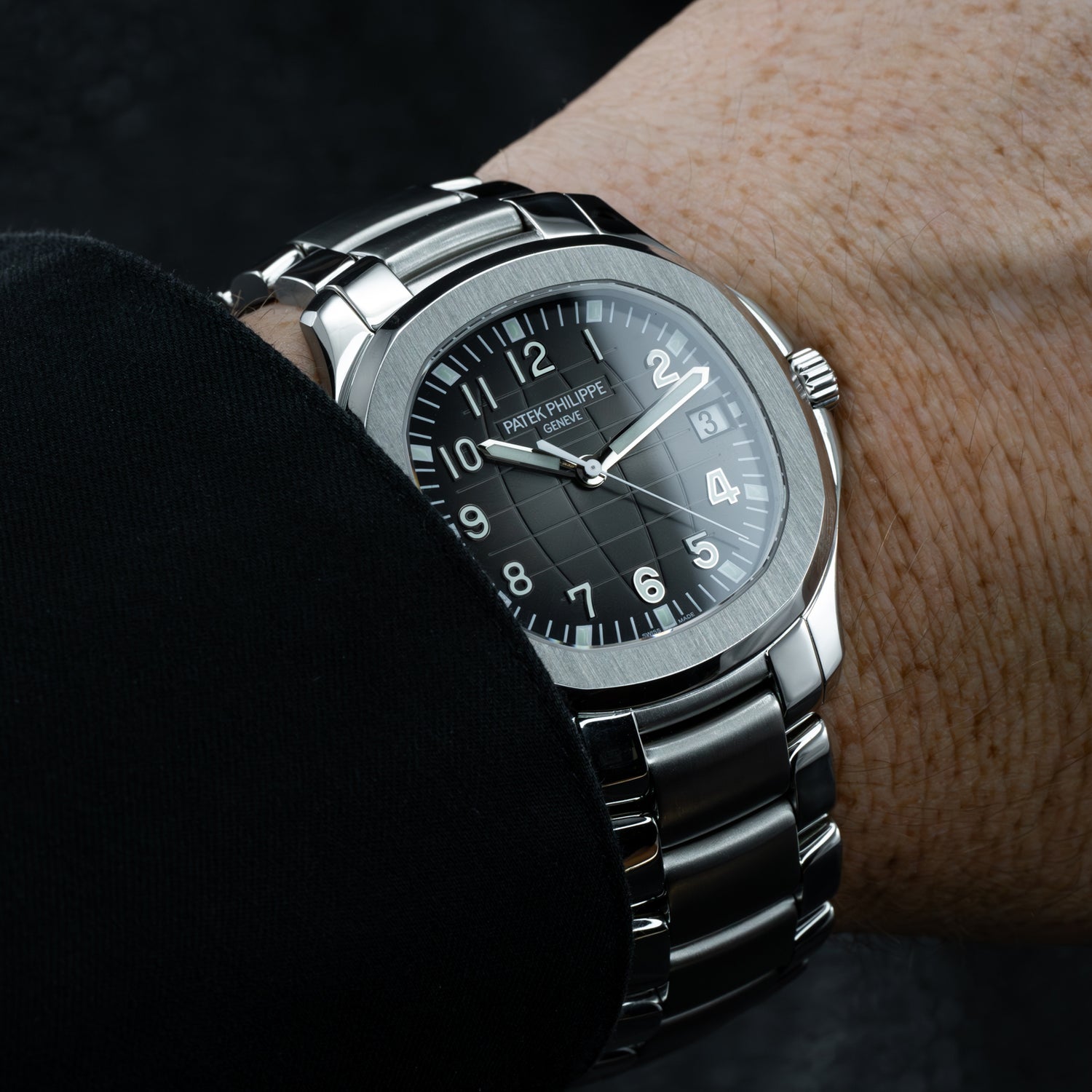

Both are genuinely great dive watches and the "which one is better" argument usually says more about the person arguing than the watches. The Submariner wins on brand recognition and resale liquidity. The Seamaster wins on movement technology and value for the dollar. Both hold up, and once you know what you actually want from the watch, the answer gets obvious fast.
This comparison starts more arguments in watch forums than almost any other. Half the internet treats it like a sports rivalry, which misses the point entirely. Both watches do the same job at an extremely high level. What actually differs is the story each one tells and the buyer each one's built for.

What do the Submariner and Seamaster actually have in common?
More than the rivalry framing suggests. Both are automatic, both are rated to 300 meters, and both have decades of genuine diving history behind them rather than a marketing team inventing a heritage story after the fact. The Submariner debuted in 1953. The Seamaster's dive lineage goes back to the 1940s. Neither brand is new to this.
Both also hold up genuinely well as daily watches, comfortable enough for regular wear well beyond an occasional dive. That's part of why this comparison keeps coming up. They're competing for the exact same slot in a collector's rotation.
How do they actually differ?
The movement. Rolex's Caliber 3235 inside the current Submariner is an excellent in-house movement with a Chronergy escapement and roughly 70 hours of power reserve. Omega's Co-Axial movement inside the Seamaster uses a fundamentally different escapement design that reduces friction and wear more directly, and it carries METAS Master Chronometer certification, which tests the finished watch against magnetic resistance up to 15,000 gauss. Both are genuinely good. Omega's is the more technically novel solution on paper.
Full breakdown of what that Omega certification actually means: the complete Omega buyer's guide covers it in depth.
Price and value. A comparable Seamaster typically runs meaningfully less than a Submariner at retail, and the gap widens further on the pre-owned market since Submariners hold their premium harder. Dollar for dollar, the Seamaster is usually the better engineering value. The Submariner is the better liquidity play.
Recognition and resale. This is where the Submariner wins clearly. It's one of the most recognized watches on earth, full stop, and that recognition translates directly into resale demand. Selling a Submariner is almost always faster and easier than selling a comparable Seamaster, regardless of which watch is the better piece of engineering.

Which one is actually the better dive watch?
On paper, closer than people expect. The Submariner is rated to 300 meters, same as the standard Seamaster Diver 300M, though the Planet Ocean variant pushes to 600. Both use unidirectional bezels for dive timing, both are legible in low light, both are genuinely built for the job rather than styled to look like they are.
If you're actually diving regularly, either one handles it without complaint. This isn't the category where the difference matters most.
Which one should you actually buy?
Buy the Submariner if resale liquidity and universal recognition matter to you, or if you want the watch that every other diver in the category gets compared against. There's no shame in wanting the reference everyone already knows.
Buy the Seamaster if you want more genuine engineering per dollar, a movement with an actual technical story behind it, and you're less concerned with whether a stranger recognizes what's on your wrist. It's the smarter buy on pure value, even if it doesn't carry quite the same resale premium.
Both are the right answer for the collector they're built for, and once you know which one you are, the decision usually makes itself.
What should you check before buying either one pre-owned?
Same fundamentals regardless of brand. Confirm authentication happened before the piece was ever offered, as a standard part of taking the piece on. Confirm box and papers are included and match the piece. And ask directly what happens if something arrives wrong through no fault of either party, since a dealer worth buying from already has a specific answer to that question.
For the fuller version of this checklist across any luxury piece, here's the complete first-time buyer's guide.
We deal in both regularly. If you're torn between the two, reach out and we'll talk through which one actually fits what you're looking for, no pressure either direction.