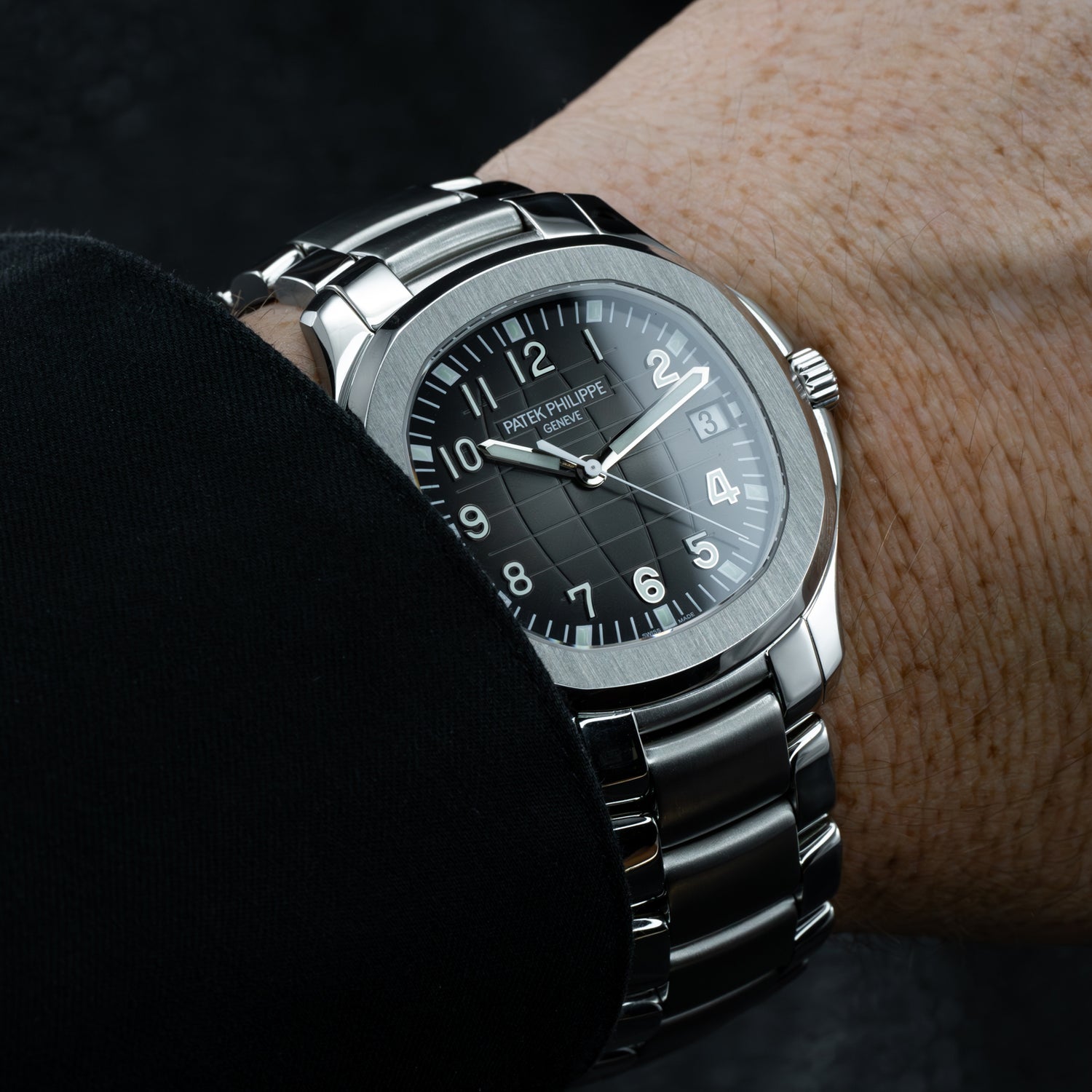

Your first luxury watch purchase gets remembered for the rest of your collecting life, good or bad. Set your actual budget before you fall for a specific reference, understand the difference between boutique and pre-owned before you pick a lane, and buy the piece that actually fits your life instead of the one that photographs best.
Crossing into five figures on a single purchase for the first time is a strange feeling, and I've watched it happen enough times to know the nerves are completely normal. What separates a great first purchase from a regretted one usually comes down to the process the buyer went through to get there, more than the watch itself.
How much should you actually spend on your first luxury watch?
Start with a number you'd be comfortable never seeing appreciate. That's the starting point, because while some watches do hold or grow in value, buying purely for appreciation on your first purchase is the wrong instinct, and it usually leads to chasing whatever's currently hardest to get instead of picking something you'll actually want to wear in five years.
A useful gut check: if the watch disappeared tomorrow, would the number still feel fine? If the answer is no, you're shopping above your actual comfort zone, and that pressure tends to show up later as buyer's remorse even on a genuinely good piece.

Should your first watch be new from a boutique or pre-owned?
This is the fork in the road almost nobody explains clearly, and it's usually the first real question I get on a call with a new buyer.
Boutique buying gets you a warranty, a pristine box, and the experience of walking out with something nobody else has touched. It also means waitlists on the most desirable references, list price with little to no negotiating room, and a boutique staff that's often trained to move volume rather than build a relationship with a first-time buyer.
Pre-owned buying, done through a reputable independent dealer, gets you genuine selection without a waitlist, room to negotiate, and often significantly more watch for the same money, since depreciation on the first owner has already happened. What it requires from you is trust in whoever you're buying from, since authentication, condition, and documentation all depend on the seller actually doing that work.
Both paths work well for the right buyer. What matters is knowing which one you're on and choosing a seller who's transparent about it either way.

What actually matters when you're evaluating a specific watch?
Start with fit and wearability, more than anything else on this list. A watch that looks perfect in photos can wear completely wrong on your specific wrist, and case diameter, lug-to-lug length, and thickness matter more than the spec sheet implies. I've watched people fall for a watch online and feel nothing when it actually landed on their wrist. Try it on before you commit if you possibly can.
Then look at the movement and the brand's reputation behind it. Understand whether you're buying a mechanical automatic, a manual-wind, or a quartz movement, and what that actually means for how the watch behaves day to day. If movement types are new territory for you, here's the full breakdown of automatic vs manual vs quartz.
And don't skip documentation and condition. Box, papers, service history, and a real condition report from the seller matter just as much as the watch itself. This is the part first-time buyers skip because it feels like paperwork instead of the actual purchase, and it's exactly the part that determines whether resale down the line is smooth or painful.

What questions should you ask any dealer before you buy?
Ask how the watch was authenticated, and confirm that happened before it was ever offered to you, as a standard part of taking the piece on. Ask what happens if something arrives wrong through no fault of either of you. A dealer worth buying from already has a specific, immediate answer to that question. And ask directly whether box and papers are included, since a dealer comfortable selling a naked piece is telling you something about how selective they actually are with what they take on.
These questions show you how a dealer operates before you're the one depending on how they operate.
What mistakes do first-time luxury watch buyers make most often?
The biggest one is chasing the reference everyone else wants instead of the one that actually fits their life. A six-month waitlist says nothing about whether a watch is actually the right first watch for you.
Fit gets underestimated constantly. A 41mm watch and a 44mm watch can feel like completely different categories of object on the wrist, and specs on a page don't communicate that.
Then there's the documentation conversation, which gets skipped because the watch itself feels exciting in the moment. This is the single most common regret first-time buyers report once they try to sell or trade a piece years later.
And plenty of first-time buyers go through the whole process alone with no one to talk it through with. That purchase benefits enormously from a dealer who treats the conversation like a relationship instead of a transaction, walking you through the actual tradeoffs instead of just closing the sale.
What's the right way to actually start?
Figure out what you actually want the watch for. Daily wear, a specific occasion, a long-term collection anchor. That answer narrows the field faster than any spec sheet. Then find a seller who'll talk straight with you before you've spent a dollar.
A first serious watch purchase should be one of the genuinely good experiences of your collecting life, the kind everything after gets measured against. If you're at that stage and want to talk through what actually makes sense for you, reach out. We're happy to walk through it before you commit to anything.