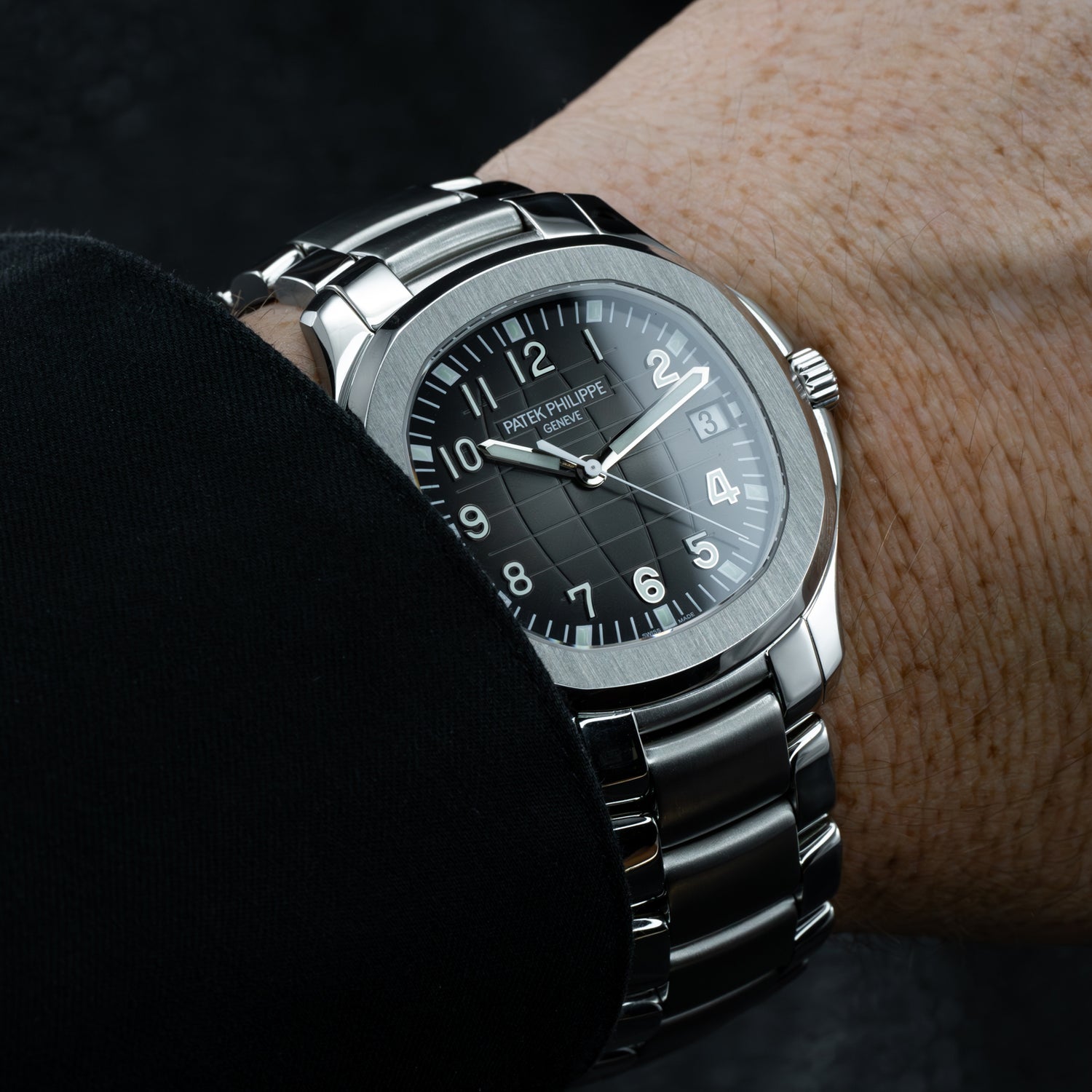

TL;DR: Steel is the versatile default, durable and comfortable at a lower cost than precious metal. Gold signals formality and status but adds weight and softness. Titanium cuts weight dramatically while staying strong. Ceramic resists scratches almost completely but can chip or crack under a hard direct impact. Each material serves a different priority rather than a different tier of quality.
Buyers spend a lot of time comparing movements and complications and surprisingly little time thinking about the case material itself, even though it shapes how a watch actually wears every single day.
What does steel actually offer as a case material?
Steel, specifically the 316L or 904L surgical-grade alloys most luxury brands use, offers genuine durability against everyday scratches and impacts at a meaningfully lower cost than precious metal. It's also considerably lighter than gold or platinum, which matters more than most first-time buyers expect once a watch is actually on the wrist for a full day.
Steel's versatility is exactly why it dominates sports and tool watch references across the industry. It reads appropriately in nearly any setting, from a work meeting to a dive, without looking out of place in either.
Why do gold watches cost so much more, and what's the actual tradeoff?
Gold's cost comes directly from material value, 18-karat gold specifically, since that's the standard purity for luxury watchmaking. Beyond the raw cost, gold cases run meaningfully heavier than steel and are softer, more prone to surface scratches over daily wear, which is a meaningful tradeoff buyers should understand going in rather than discovering later.
What gold gives back is unmistakable formality and status signaling that steel simply can't replicate. A gold Day-Date reads as a boardroom piece specifically because of the material.
What makes titanium different from steel?
Titanium runs roughly 40% lighter than steel while maintaining comparable strength, which makes an otherwise large or heavy watch feel dramatically more wearable on the wrist. It also resists corrosion exceptionally well, including from saltwater and skin contact, which is part of why it shows up frequently in dive watches and travel pieces built for genuinely demanding daily use.
The tradeoff is cosmetic more than functional. Titanium typically finishes with a matte, gray-toned surface rather than steel's brighter polish, a look some buyers actively prefer and others find less visually striking than a polished steel or gold case.

How does ceramic hold up as a case material, and where does it fall short?
Ceramic case material offers scratch resistance that steel, titanium, and even gold genuinely can't match, staying essentially pristine through years of daily wear where a metal case would show visible wear marks. Hublot has built much of its modern identity specifically around ceramic case construction, and the Big Bang Unico in ceramic shows exactly why the material earned that reputation.
Here's the full Hublot brand guide if you want the deeper look at how the brand approaches case material as a design language rather than just an engineering choice.
Ceramic's actual limitation is impact resistance rather than scratch resistance. A hard direct impact, dropping the watch on a hard surface at the wrong angle, can chip or crack a ceramic case in a way steel would simply dent. It's a genuine tradeoff, exceptional daily scratch resistance against a lower tolerance for one specific kind of accident.
Does case material actually affect resale value?
Meaningfully, though not always in the direction buyers assume. Steel sports references often command a premium over precious-metal versions of the same watch specifically because of steel's versatility and the scarcity dynamics common in that segment. Gold and platinum hold their own value well too, just through a different mechanism, material value acting as a genuine floor beneath the watch's collectible value.
Which case material should you actually prioritize?
Steel if versatility and everyday durability matter most to you. Gold if formality and status signaling are the point. Titanium if you're chasing genuine wearability in a larger or more complicated piece. Ceramic if scratch resistance in daily use outweighs a small risk from a hard direct impact. The right material is whichever one actually matches how you'll wear the watch day to day.
If you're weighing case material against a specific reference you're considering, reach out. It's a genuinely useful conversation to have before you commit either way.
Jerred at KROLUX