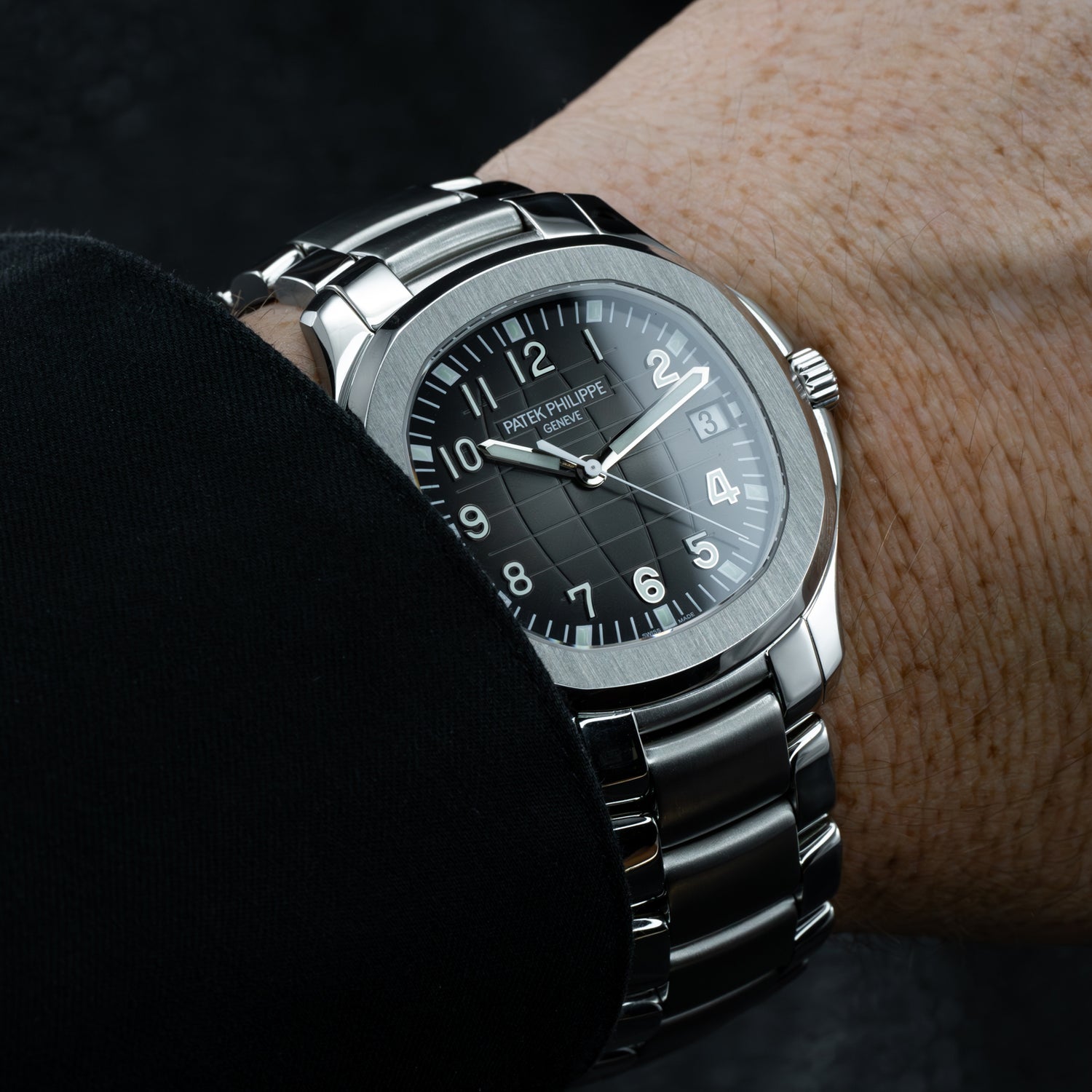

Most luxury watches depreciate like most consumer goods do. A small number of specific references, driven by genuine scarcity and demand, have held or grown in value meaningfully. Buy a watch because you want to wear it. Treat any appreciation as a genuine bonus rather than the reason for the purchase.
People ask me this question constantly, usually hoping I'll confirm that any luxury watch is a smart financial move. I'd rather give the real answer than the one that sells more watches.
Do most luxury watches actually appreciate in value?
No, and this is worth being direct about. Most luxury watches, even genuinely well-made ones from respected brands, depreciate somewhat from their retail price the moment they're worn, the same way most consumer goods do. A watch holding most of its value over years of ownership is already a solid outcome. Meaningful appreciation is the exception, not the baseline expectation.
Which references actually have appreciated meaningfully?
A specific, genuinely limited set of references, usually driven by scarcity and sustained demand rather than the brand name alone. Certain steel sports references from Rolex, Patek Philippe, and Audemars Piguet have appreciated well beyond retail specifically because production stayed limited while demand kept climbing, the exact dynamic behind the discontinued steel Patek Nautilus and the tightest-allocation Royal Oak references.
This isn't a pattern you can reliably predict in advance for a current release, since it depends on demand dynamics that only become clear well after the fact.
Why do most watches fail to appreciate, even from respected brands?
Supply usually keeps pace with demand for most references, which is exactly what keeps prices stable rather than driving them up. Genuine appreciation almost always traces back to production staying artificially limited relative to demand, whether through a brand's own allocation strategy or a genuine discontinuation. Absent that specific dynamic, most watches simply track a slow, steady depreciation curve like other consumer goods.
Should investment potential factor into a purchase decision at all?
As a secondary consideration, sure. As the primary reason to buy, no. Buying purely for appreciation potential usually means chasing whatever's currently hardest to get, which is exactly the wrong instinct for a first purchase and a risky one even for an experienced collector. Here's the complete first-time buyer's guide, which covers this exact mistake in more depth.
Buy the watch you'll actually wear and enjoy. If it happens to hold or grow in value, that's a genuine bonus layered on top of a purchase that was already worth making on its own terms.
Does condition and documentation actually affect resale value meaningfully?
Significantly, regardless of which reference you own. Complete box, papers, and service history consistently command a meaningful premium over an otherwise identical watch missing that documentation, sometimes a genuinely substantial one. This matters just as much for a watch you're buying purely to wear as it does for one you're hoping holds value.
What's the actual takeaway on watches as an investment?
Treat a luxury watch primarily as an object you want to own and wear rather than a financial instrument. If you happen to land a reference that appreciates, that's a genuine outcome worth appreciating, but it's the exception across the category rather than the expectation. The buyers who end up disappointed are almost always the ones who bought expecting appreciation as the default outcome rather than a possible bonus.
If you're trying to figure out whether a specific reference has genuine appreciation potential or whether it's simply a good watch to own and enjoy, reach out. I'll give you the real answer either way.