
A good 3-watch collection covers three genuinely different situations instead of three variations of the same one. The classic split is a dive or sports watch, a dress watch, and a daily-wear piece that bridges the two. Build for range before you build for brand names, and the collection will actually get worn instead of sitting in a box.
I see this mistake constantly. A collector buys a great first watch, loves it, and buys two more just like it. Different dial color, different brand, same job. Three years later they've got a drawer of watches that all do the same thing and nothing for the situations where none of them quite fit.
What's the actual logic behind a 3-watch collection?
Cover three distinct parts of your life instead of three variations of one part. The classic framework, and it's classic because it works, is a sports or dive watch, a dress watch, and a daily-wear piece that splits the difference between the two. Between those three, you've got something appropriate for almost any occasion that comes up.
It's a starting framework meant to force you to think about actual use cases instead of just chasing whatever reference is trending.
What should the sports or dive watch actually be?
This is your grab-it-and-go piece. Water resistant enough that you're not thinking about it, legible at a glance, and durable enough to wear without babying it. The specific reference matters far less than whether this watch is the one you reach for without a second thought, but a handful of references consistently earn a spot on this slot across a wide range of budgets.
On the accessible end, the Tudor Pelagos (reference 25600TN) brings a titanium case, genuine in-house engineering, and serious dive-rated durability without the waitlist or the price tag of the bigger names. The Omega Seamaster Diver 300M sits in similar territory, METAS-certified and built on Omega's Co-Axial movement, a reference that punches well above its price point on pure engineering.
Moving up, the Rolex Submariner Date (reference 126610LN) remains the reference every other dive watch gets measured against, and that recognition carries genuine weight both on the wrist and at resale. The Audemars Piguet Royal Oak Offshore Diver (reference 15720ST) pushes further into statement territory, integrated-bracelet sports-watch design applied to a genuine dive tool.
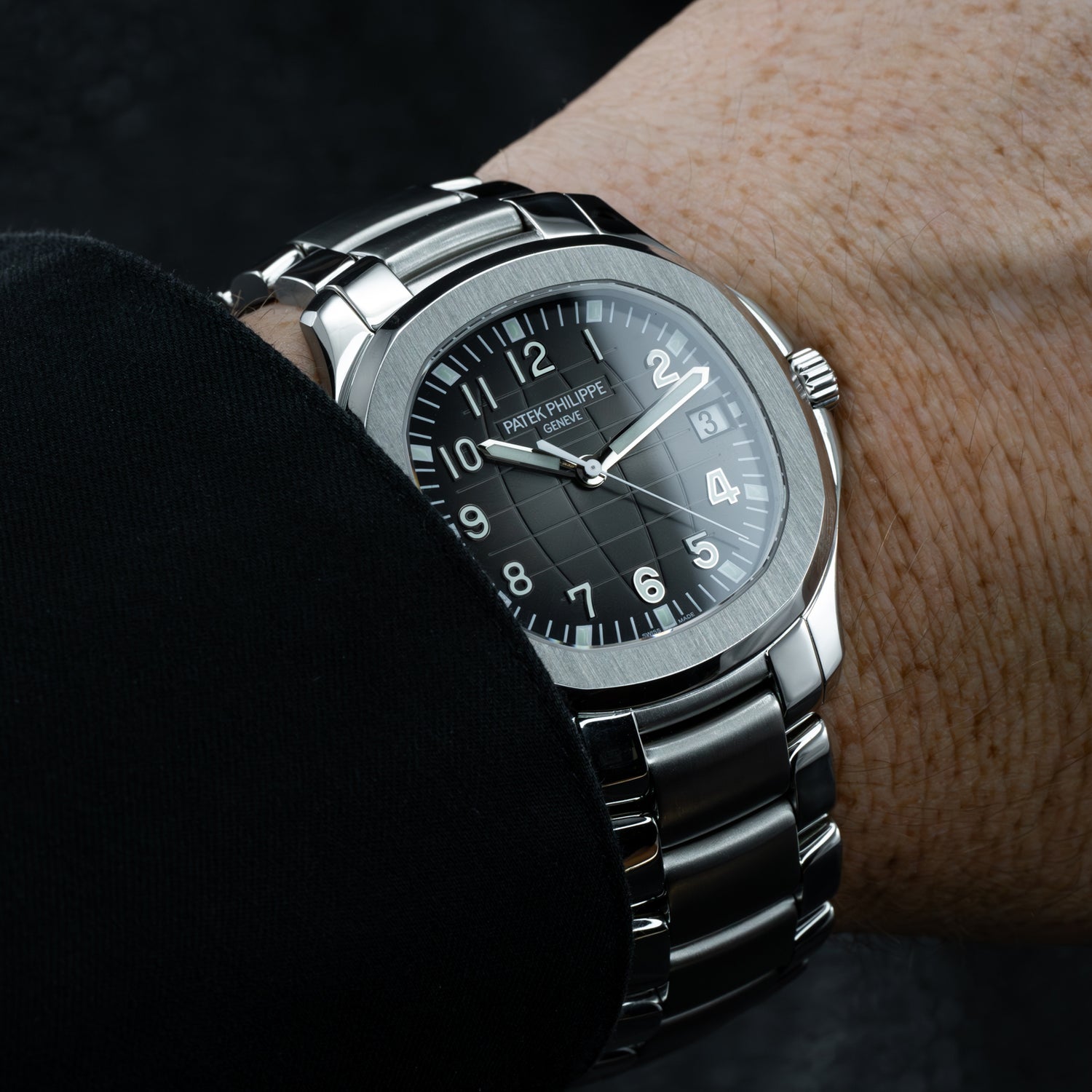
At the top of this slot, the Patek Philippe Aquanaut (reference 5167A-001) brings the same manufacturing pedigree as Patek's dressier lines into a rubber-strapped sports case, one of the more understated ways to own top-tier watchmaking in a genuinely wearable daily format.
If you're weighing two of the more accessible options here, the Submariner vs Seamaster breakdown covers exactly this decision.
What should the dress watch actually be?
Thin, understated, and quiet. This is the watch for a suit, a formal dinner, a moment where a chunky sports watch would look out of place under a cuff. Manual-wind or a slim automatic both work here, and this slot has genuinely strong options across the same wide price range as the sports slot.
A Tudor 1926 or a similarly proportioned steel dress piece is a genuinely smart entry point, restrained enough to do the job without asking for a five-figure commitment before you've decided dress watches are actually your thing. Moving up, Jaeger-LeCoultre's Master Ultra Thin collection is built specifically around this slot's whole logic, a thin manual or slim automatic movement in a case designed to disappear under a cuff.
The Vacheron Constantin Patrimony carries the same restraint with the manufacturing pedigree of one of the oldest houses in watchmaking behind it, still understated enough that most people won't clock what they're looking at. At the very top, the Patek Philippe Calatrava is close to the reference definition of the category, the watch other dress watches get compared against when people talk about pure proportion and restraint done right.
This is also where movement type matters more than in the other two slots, since a thin manual-wind movement is often what makes a dress case genuinely thin. Here's the full explanation of movement types if that distinction is new to you.
What fills the third slot, the everyday piece?
This is the hardest one to get right and the most valuable one once you do. It needs to work with a t-shirt and with a blazer, survive daily wear without complaint, and not feel wrong in either direction. If you had to guess which watch in a 3-watch collection gets worn the most days out of the year, it's this one, which makes it worth taking just as seriously as the other two slots when you're deciding where to spend.
The Omega Aqua Terra is close to the reference answer for this slot at a more accessible price point, genuinely versatile proportions with Omega's Co-Axial and METAS engineering underneath. The Rolex GMT-Master II brings genuine travel functionality into the same daily-wear logic, a second time zone that's actually useful rather than a complication for its own sake.
Higher up, the Audemars Piguet Royal Oak in its original proportions is one of the defining crossover pieces in the entire industry, integrated steel bracelet, dressy enough for a blazer and durable enough for daily life. And at the very top of this slot, a Patek Philippe Nautilus or a genuinely daily-wearable Richard Mille sport reference represents the extreme high end of what "everyday piece" can mean when budget stops being the constraint.
How much should each slot cost?
There's no required ratio, and the most common mistake is assuming all three need to be roughly the same price point. It's completely reasonable to have one anchor piece that costs meaningfully more than the other two, as long as all three actually get worn. A collection where one watch cost three times the other two but sits in a safe most of the year is a worse collection than three well-chosen pieces at more even price points that all see actual wrist time.
Build around actual use. That's what makes a collection worth having.
What mistakes do people make building a collection like this?
The most common one: three watches in the same category, because that's the collector's comfort zone. Three different dive watches is three variations of the same purchase dressed up as a collection.
Fit and case size get ignored across the three far too often. A collection should account for different moments in your life, which sometimes means genuinely different case sizes and proportions, well beyond three colorways of the same 40mm sports case.
Skipping the real conversation with a dealer about what's actually missing from a collection versus what looks good on paper costs collectors more than they realize. A good dealer tells you when your third watch is redundant with your first, even when you're standing there ready to buy.
Where should you start?
Look at what you already own and ask which of the three slots it fills. Most first-time collectors already have the sports or daily slot covered without realizing it, which means the next purchase should probably fill a genuinely different role instead of another version of what's already on the wrist.
If you want help figuring out what's actually missing from your collection instead of just what's trending, reach out. That conversation costs you nothing and it's usually the difference between a collection with actual range and a drawer full of similar watches.