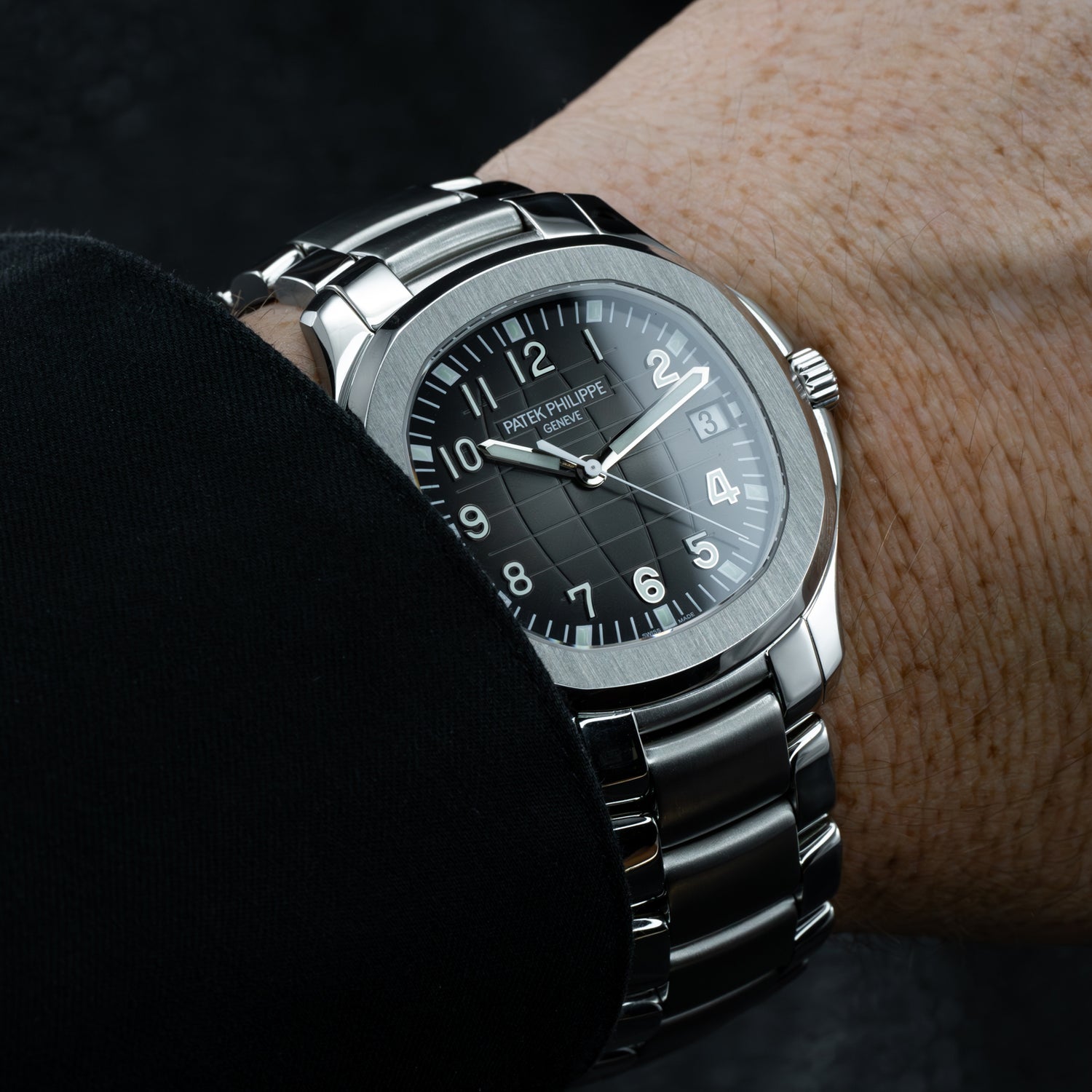

Steel is the more versatile, durable, everyday choice and generally holds resale value better across most reference lines. Gold carries more formality, more presence, and a different collecting logic entirely. Most collectors end up with both eventually. The question is genuinely just which one solves the actual gap in your rotation right now.
This comes up constantly with new collectors deciding on their next purchase. The answer depends on how you actually live day to day, since the two metals serve genuinely different purposes.
What actually makes steel the more practical choice?
Steel handles daily wear without any special care. It resists scratching better than gold in absolute terms, works with almost any outfit from gym clothes to a blazer, and doesn't carry the same anxiety around dinging or marking an expensive precious metal case. For most collectors' actual daily rotation, steel is simply the lower-friction choice.
Steel references also tend to hold resale value more predictably across the market, since demand for steel sports watches from brands like Rolex, Omega, and Tudor consistently outpaces demand for the same reference in gold, particularly among younger collectors building their first serious collection.

What does gold actually offer that steel doesn't?
Presence and formality, mainly. A gold watch signals differently than steel, works genuinely well in situations where you want the piece to read as a considered, formal choice, and carries a different collecting tradition entirely, closer to jewelry-adjacent watchmaking than tool-watch practicality.
Gold also ages differently than steel. It develops a specific patina and wear character over decades that some collectors value specifically, while steel tends to look simply worn rather than aged in the same distinctive way.
Does gold actually scratch more easily than steel?
Yes, and this surprises people who assume more expensive automatically means more durable. Gold is a softer metal than steel in its pure form, which is why watch cases use gold alloys rather than pure gold, but even alloyed gold marks more easily under daily wear than steel does. That's a genuine tradeoff collectors should go in expecting rather than discovering after the fact.
Gold rewards a different kind of daily handling instead, more careful, more occasion-specific, which fits how a lot of gold-watch owners actually wear their pieces anyway.
What about two-tone, does it split the difference?
Genuinely, yes, for the right collector. Two-tone references combine a steel case and bracelet with gold accents on the bezel, crown, and certain bracelet links, giving you gold's visual presence with steel's daily-wear practicality underneath. It fell out of fashion for a stretch and has come back hard in recent years as collectors rediscover the actual logic behind it.
Which metal should you actually buy next?
Look at your current rotation. If everything you own is already steel, a gold piece fills a genuine gap for formal occasions and adds meaningful variety to your collection. If you don't yet own a genuinely durable daily piece, steel is the more useful next purchase regardless of how much you're drawn to gold's presence.
This exact logic overlaps meaningfully with building a collection with genuine range across categories, well beyond just metal choice. Here's the full 3-watch collection framework if you're thinking about your next purchase in that broader context.
What should you check before buying either metal pre-owned?
Check gold cases specifically for polish history, since a case that's been over-polished loses sharp edges and original proportions in a way that meaningfully affects both look and resale value. Steel cases show this too, but gold shows it faster given the softer metal underneath. Beyond metal-specific wear, the same fundamentals apply regardless: confirmed authentication, complete documentation, and a real condition report.
If you're trying to decide which metal actually fits your next purchase, reach out. It's a quick conversation and it usually saves people from buying based on prestige alone instead of what actually fits their life.