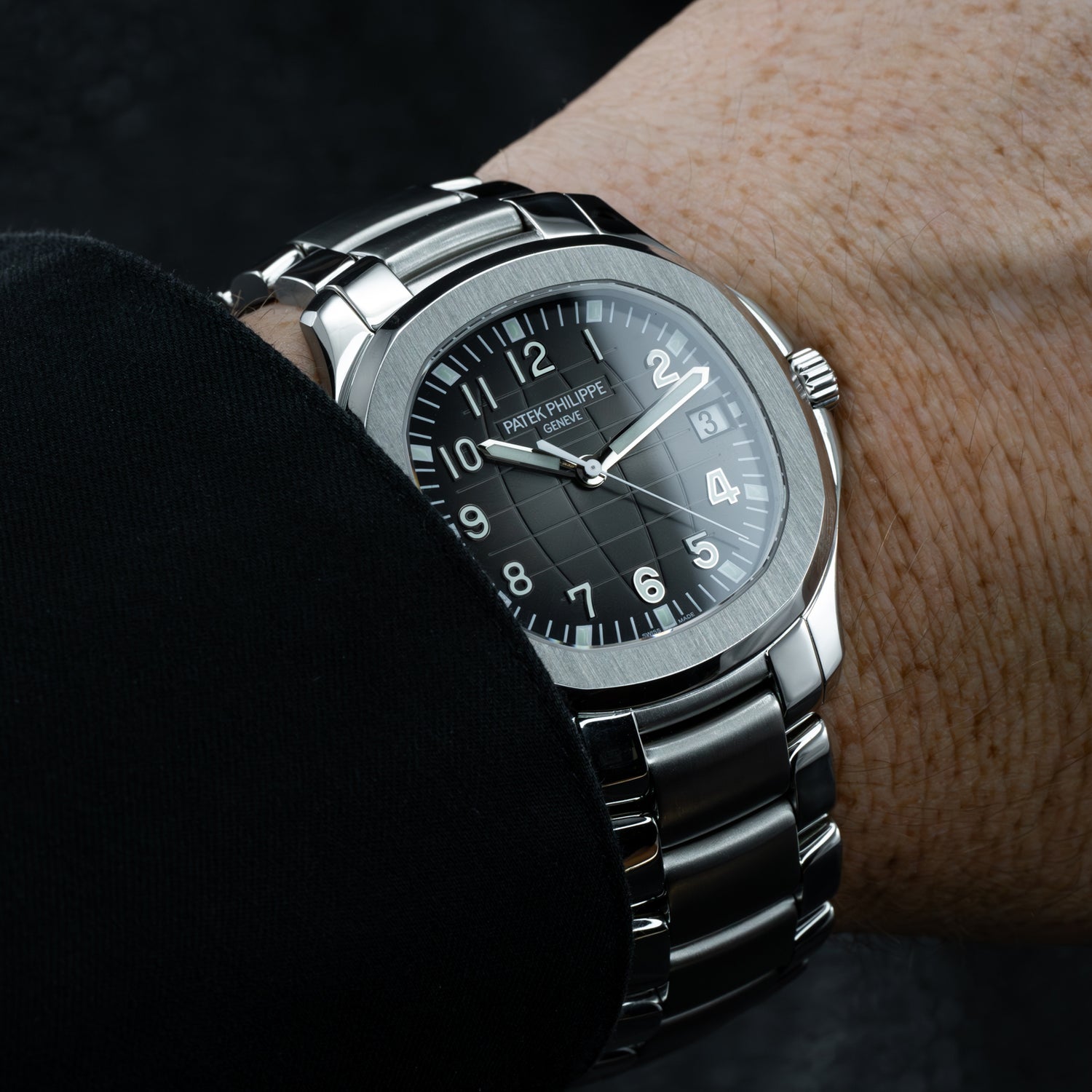

A dive watch is built for durability and legibility, thick, water resistant, and versatile enough to wear almost anywhere casual. A dress watch is built for refinement, thin, quiet, and meant for formal moments where a chunky sports case would look wrong. Most collectors end up wanting both eventually. The question is genuinely just which one solves the gap in your rotation right now.
This comes up constantly with new collectors trying to decide what to buy next. The answer depends entirely on what's actually missing from your current rotation, since the two categories are built for genuinely different jobs.
What actually defines a dive watch?
Genuine water resistance well beyond what daily life requires, a unidirectional rotating bezel for timing, high-contrast luminous markers for legibility in low light, and a case built to survive impact and pressure. Historically these were tools first, built for people who actually needed the function underwater, and the styling followed the engineering rather than the other way around.
Modern dive watches lean heavily on that heritage even when most owners never dive at all. The appeal now is durability and versatility. A good dive watch survives a gym session, a beach day, and a Tuesday at the office without a second thought.

What actually defines a dress watch?
Thin case profile, a quiet dial with minimal complications, understated color and materials, and proportions built to slide comfortably under a shirt cuff. Dress watches trace back to an era when a watch was meant to disappear into a formal outfit rather than announce itself, and the best modern examples still hold to that same restraint.
Manual-wind or slim automatic movements dominate this category, since a thin case usually means a thin movement, and that's part of why dress watches and complicated tool-watch mechanics rarely overlap in the same reference.

Which one is actually more versatile day to day?
The dive watch, by a wide margin, for most people's actual lives. It handles casual wear, athletic activity, and travel without any special care, and modern dive watches have gotten refined enough in design that plenty work fine with a blazer too. The dress watch is the specialist here. It excels at exactly one job, formal occasions, and can feel genuinely out of place doing anything else.
If you can only own one watch right now, a dive watch or a versatile sports-dress crossover will cover more of your actual life than a pure dress watch will.
Which one should you actually buy next?
Look at your current rotation. If everything you own already leans sporty and durable, a dress watch fills the genuine gap, especially if formal occasions, weddings, business dinners, actual work moments, come up regularly enough to matter. If you don't yet own anything that can take a hit and survive daily wear without worry, the dive watch is the more useful next purchase.
This exact logic is part of why the classic collector framework starts with one of each, alongside a daily-wear piece that bridges the two. Here's the full breakdown of that 3-watch collection approach if you're thinking beyond just your next single purchase.
Can one watch actually do both jobs?
Partially, and a few references genuinely try. Something like an Aqua Terra or a slim GMT splits the difference reasonably well, durable enough for daily wear with proportions restrained enough to work under a cuff in a pinch. What you lose is the specialist performance at either extreme. A crossover piece won't dive as deep as a true tool watch or wear as thin as a true dress piece, but for a lot of collectors that middle ground covers 90 percent of actual situations.
What should you check before buying either category pre-owned?
Fit matters even more here than with most purchases, since dive watches read very differently across case sizes and dress watches live or die on how thin and proportioned they actually sit on your specific wrist. Try both categories on in person if you can before committing to a specific reference. Beyond fit, the same fundamentals apply regardless of category: confirmed authentication, complete documentation, and a real condition report from whoever's selling it to you.
If you're trying to figure out which category actually fills the gap in your collection, reach out. It's a quick conversation and it usually saves people from buying the wrong watch for their actual life.