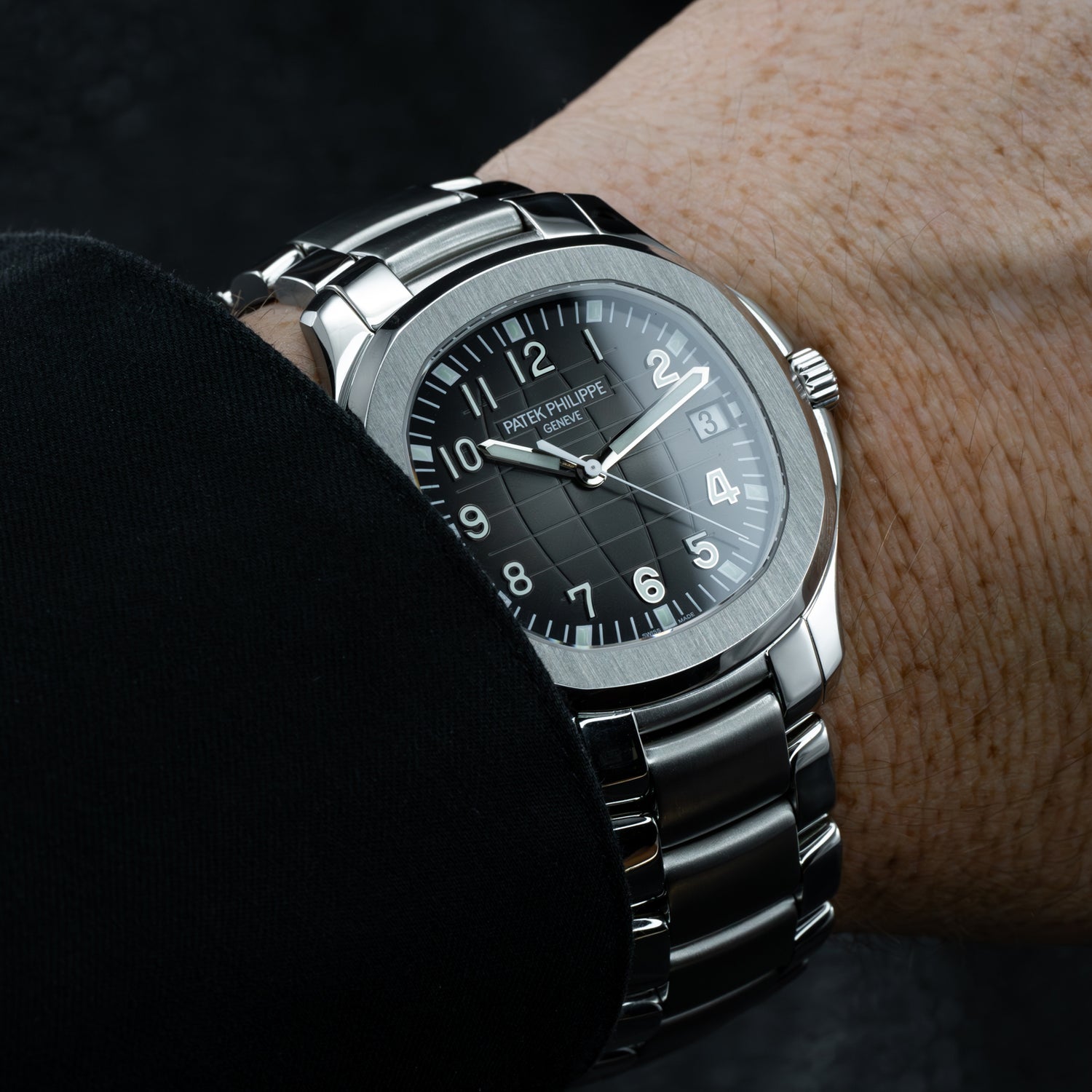

A mechanical watch needs a full service roughly every 5 to 8 years depending on the movement and how the watch is worn. Servicing involves a complete disassembly, cleaning, lubrication, and reassembly, plus replacing worn parts. Costs vary significantly by brand and complication, and skipping service usually costs more in the long run, once a neglected movement actually fails.
Servicing is the part of ownership most buyers think about least until a watch stops running properly, at which point it becomes the only thing on their mind.
How often does a mechanical watch actually need servicing?
Roughly every 5 to 8 years for most modern mechanical movements, though this varies by brand, movement type, and how consistently the watch is worn. A watch worn daily accumulates wear on lubricants and components differently than one worn occasionally, and some manufacturers recommend shorter or longer intervals based on their own internal movement design.
Vintage pieces, particularly ones that haven't been serviced in a decade or more, often need service sooner rather than later regardless of the manufacturer's general guideline, since old lubricant degrades and can cause meaningful wear on components it's meant to protect.
What actually happens during a full service?
A complete disassembly of the movement down to individual components, ultrasonic cleaning of each part, inspection for wear, replacement of any parts that have degraded, fresh lubrication applied to precise specifications, reassembly, and a testing period to confirm accuracy and function across multiple positions. Case and bracelet refinishing, along with gasket replacement for water resistance, typically happens alongside the movement service.
This is a meaningfully more involved process than most owners assume, closer to a full mechanical rebuild than a quick tune-up.
What does a service actually cost?
Costs vary significantly by brand, movement complexity, and whether the work goes through an authorized service center or an independent watchmaker. A simple three-hand automatic typically costs meaningfully less to service than a chronograph or a watch with additional complications, since more components mean more labor and more potential parts replacement. Authorized brand service centers generally cost more than a qualified independent watchmaker for comparable work, though brand-authorized service preserves certain warranty and documentation benefits some buyers value.
Does skipping service actually save money?
Rarely, and usually the opposite happens. A neglected movement running on degraded lubricant accumulates wear on components that a timely service would have protected, and by the time the watch actually stops running or shows visible performance issues, the repair often costs meaningfully more than a routine service would have. Here's the full red-flags checklist for what to check on a pre-owned piece, including service history specifically.
Should you use the brand's authorized service center or an independent watchmaker?
Both are legitimate options depending on your priorities. Brand-authorized service typically costs more but comes with manufacturer-specific parts access and documentation that can matter for resale or warranty purposes. A qualified independent watchmaker often costs meaningfully less and can deliver comparable quality, particularly for movements they specialize in, though parts access can be more limited for certain proprietary components.
How does service history actually affect a watch's value when buying or selling?
Significantly. Complete, documented service history is one of the clearest signals a watch has been properly maintained, and it consistently commands a meaningful premium over an otherwise identical piece with no service record. Buyers should treat service history with the same scrutiny as authentication documentation, since both protect against the same category of risk.
If you're unsure when a piece you own or are considering last had service, reach out. We can help you figure out what it actually needs before it becomes a bigger problem.