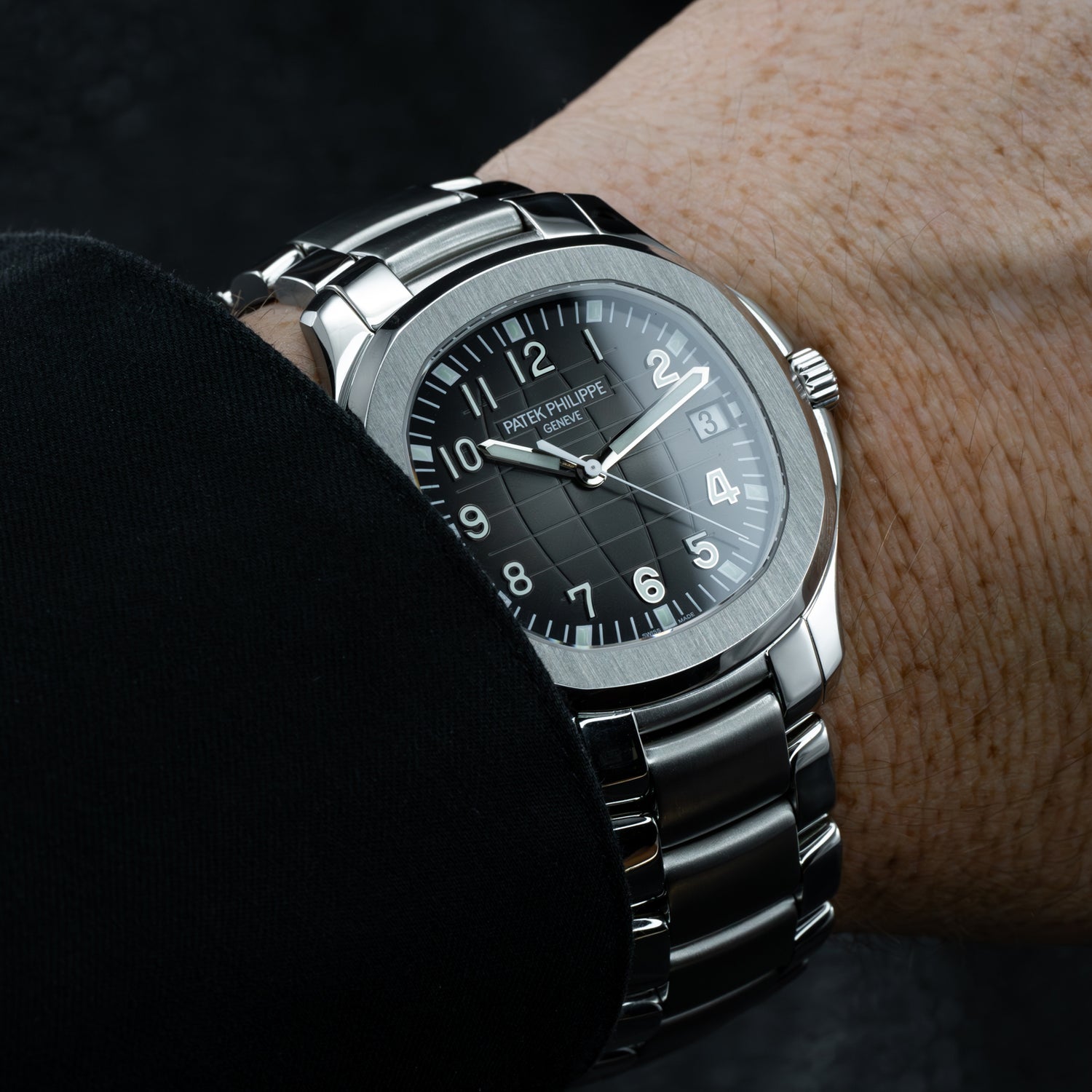

Rolex builds at genuine industrial scale, prioritizing consistency, durability, and universal recognition. Patek Philippe builds at a fraction of that scale, prioritizing complication depth and manufacturing prestige within serious collecting circles. Comparing them directly usually misses the point, since they're solving genuinely different problems for genuinely different buyers.
This comparison comes up constantly, usually framed as "which is actually better." That question doesn't have a clean answer, because the two brands aren't really trying to win the same game.
What does Rolex actually optimize for?
Consistency at scale. Rolex is privately held and doesn't publish production figures, but industry estimates put output at roughly a million watches a year, an industrial scale that lets the brand maintain universal recognition, dependable resale liquidity, and a service network that can support that volume worldwide. The tradeoff is that Rolex's complications stay relatively restrained compared to the top of the industry, favoring genuine reliability over technical showmanship.
That scale is also exactly why Rolex dominates conversations about first serious luxury watches. Here's the complete Rolex buyer's guide if you want the full lineup breakdown.

What does Patek Philippe actually optimize for?
Depth over scale. Patek produces a genuinely small number of watches annually, and the brand's manufacturing philosophy leans hard into complication complexity, perpetual and annual calendars, minute repeaters, and finishing standards that go well beyond what's needed for basic function. The tradeoff is a much smaller service and dealer network, and resale value that depends far more heavily on specific reference and rarity than Rolex's more predictable market.

Which one actually holds value better?
It depends heavily on the specific reference in either case, but broadly, Rolex offers more predictable resale across its lineup because demand and supply are both massive and relatively stable. Patek's resale depends much more on individual reference rarity, since a Nautilus and a less sought-after Calatrava reference can behave completely differently on the secondary market despite sharing a manufacturer.
Which one should a serious collector actually buy first?
Rolex first, in almost every case. It teaches you how the pre-owned market actually works, gives you a genuinely versatile daily-wear piece, and holds value predictably while you figure out where your specific taste actually lands within serious watchmaking. Patek makes far more sense as a later purchase, once you know specifically which complication or reference you're chasing rather than buying the name alone.
This same sequencing logic applies to building out a broader collection. Here's the 3-watch collection framework if you're thinking about where either brand fits into a longer-term plan.
What should you check before buying either brand pre-owned?
Confirm the specific reference and production era for either watch, since both manufacturers have made meaningful changes across their histories that affect value and availability. Check documentation with particular care on Patek specifically, since the brand's own extract-of-archive process is a genuine differentiator worth understanding before you buy. And treat servicing seriously for both, since qualified specialists for either brand aren't as common as generalist watchmakers.
We deal in both regularly. If you're trying to figure out which one actually fits what you're building toward, reach out.