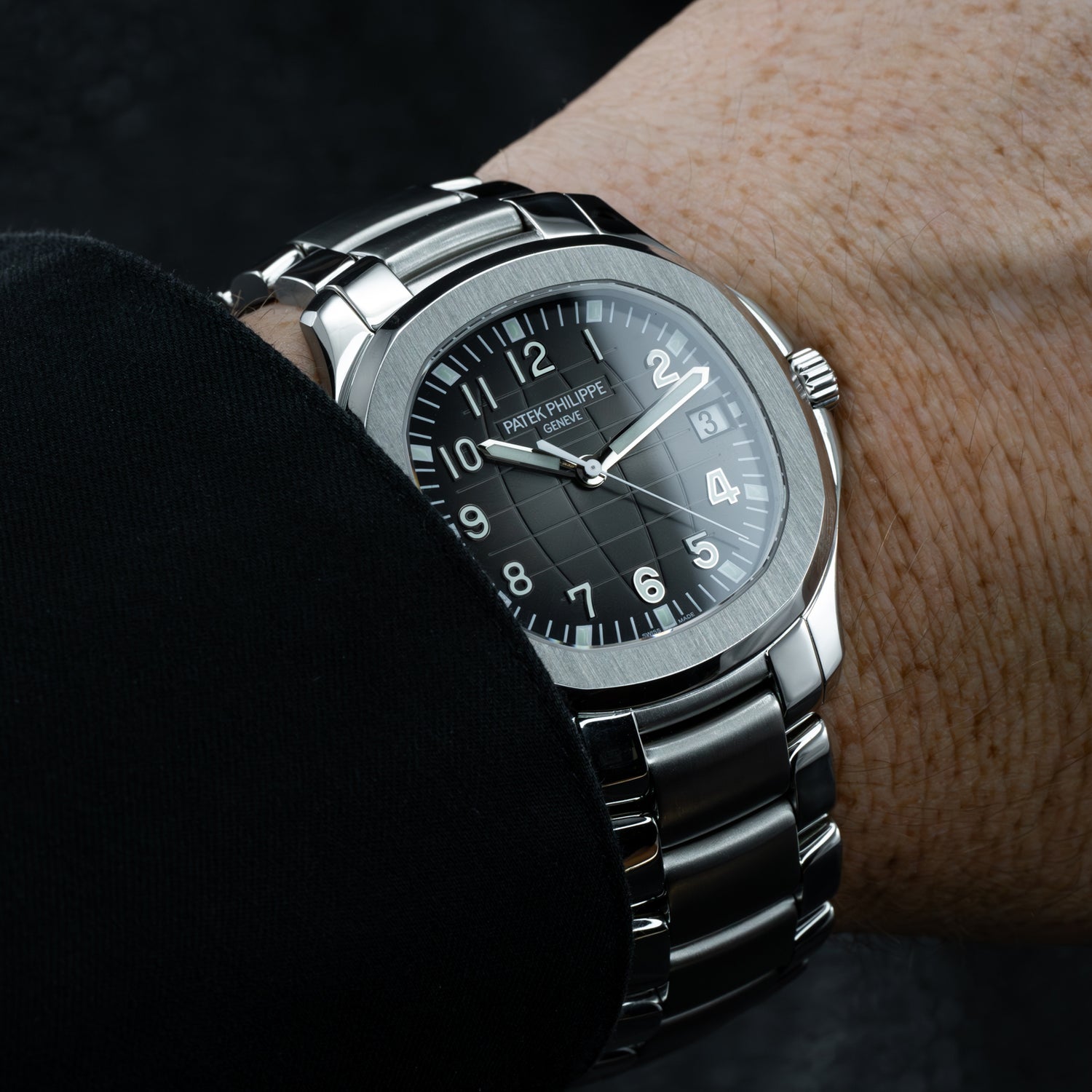

The best first serious watch is durable, versatile, holds value reasonably well, and doesn't box you into one narrow use case. A handful of references across a few brands consistently earn this recommendation from people who actually collect, for genuinely good reasons rather than just brand recognition.
People ask me constantly what their first serious watch should be, and the answer is that a few specific references keep coming up for genuine, defensible reasons.
What actually makes a first watch a smart choice?
Versatility matters more than almost anything else. A reference you can wear in most situations, work, casual, a step up in formality, gets far more actual use than a specialist piece that only fits one narrow moment. Durability matters just as much, since a first serious watch should be able to handle daily life without special babying.
Resale strength matters too, mostly because a reference that holds value reasonably well gives you room to trade up later without taking a painful loss.
Which references consistently earn this recommendation?
The Rolex Submariner and the Omega Seamaster both come up constantly, and for good reason. Both are genuinely versatile daily-wear pieces with strong resale histories and instant recognition among people who know watches. Here's the full comparison between the two if you're deciding between them specifically.
The Tudor Black Bay 58 earns its spot for a different reason, genuinely excellent proportions and in-house engineering at a meaningfully lower price point than the Rolex or Omega options, which makes it a smart choice for a first purchase that still leaves room in the budget for what comes next.

Should your first watch be a dive watch specifically?
Not necessarily, though dive watches dominate this conversation for good reason. They're built for durability and legibility first, which makes them naturally forgiving as a first serious purchase. If your actual lifestyle leans more formal, a dress-adjacent piece with the same durability logic, an Aqua Terra or a slim GMT, can serve the same first-watch role just as well.
The category matters less than the underlying logic: versatile, durable, holds value, doesn't require special treatment.
Is it smarter to buy new or pre-owned for a first serious watch?
Pre-owned, through a reputable dealer, is genuinely the smarter move for most first-time buyers. You get genuine selection without waitlists, meaningful negotiating room, and often significantly more watch for the same money, since depreciation on the first owner has already happened. The trade-off is trusting whoever you're buying from, which makes choosing the right dealer the actual decision that matters most.
For the full breakdown of that decision, here's the complete first-time buyer's guide.
What should you actually avoid on a first purchase?
Avoid chasing a reference purely because it's currently trending or hard to get. Waitlist buzz fades, and you'll be living with the watch long after the trend does. Avoid buying sight unseen from an unverified seller, since a first purchase is exactly the wrong place to take a chance on authentication. And avoid stretching your actual budget just to hit a specific reference, since a comfortable purchase you actually enjoy beats an anxious one you can't stop thinking about.
What's the actual first step?
Figure out what you'll genuinely wear most, ahead of whatever photographs best online. Then find a dealer willing to walk you through the tradeoffs straight up before you've spent a dollar. If you want help figuring out which of these references actually fits your life, reach out.