
Jacob & Co. treats a watch as a mechanical sculpture first and a timekeeping instrument second. Founded by jeweler Jacob Arabo, the brand fuses high jewelry craft with genuinely complex watchmaking, extreme case designs, multi-axis tourbillons, and mechanisms most Swiss houses would never attempt. Here's what actually sets it apart, and what it actually costs to get in.
Most luxury watch brands compete on restraint. Jacob & Co. competes on the opposite instinct entirely, and it's carved out a genuinely unique lane because of it.
Who actually built this brand, and why does it look so different?
Jacob Arabo, a jeweler by training, built Jacob & Co. from a high-end jewelry house into a genuine watchmaking name that ignores most of the conventions Swiss brands treat as sacred. Where traditional houses lean into subtle elegance, Jacob & Co. leans hard into extravagance, mechanical complexity, and a theatrical design language built to draw attention rather than avoid it.
What actually makes Jacob & Co.'s engineering distinct?
Material choice is a genuine part of the story. The brand works regularly with sapphire crystal cases, rare gemstones, advanced carbon composites, and high-grade titanium, materials chosen because they genuinely enable mechanical structures conventional watchmaking materials couldn't support. The case designs themselves are instantly recognizable, oversized proportions and architectural complexity built to be seen from across a room. The Astronomia collection, the brand's most celebrated line, houses rotating mechanisms that mimic celestial movement inside genuinely massive cases, mechanical showcases that also happen to tell time.
Despite the theatrical exterior, the finishing underneath holds to genuine Swiss watchmaking standards. Every component gets hand-finished the traditional way, old-world craft paired directly with Arabo's boundary-pushing design instincts.
What do the flagship complications actually look like?
The Astronomia Tourbillon is the clearest example, a rotating 3D "solar system" with multiple celestial bodies orbiting inside the case, built around a gravitational triple-axis tourbillon that ranks among the most complex mechanical achievements of the century.

The Twin Turbo Furious pairs a decimal minute repeater with a mono-pusher chronograph and dual triple-axis tourbillons, genuinely Formula 1-level engineering translated into a wristwatch.

The Opera Godfather might be the most theatrical of all, a fully functional music box playing the Godfather theme while a miniature piano and other elements rotate within the three-dimensional movement as the melody plays.

Who is actually buying and wearing these pieces?
Jacob & Co. has built a genuine following among athletes, entertainers, and business figures drawn to pieces built specifically to be conversation starters rather than to blend in. These are watches built for someone who wants their mechanical artistry and appreciation for uncompromising luxury stated immediately and visibly.
How does Jacob & Co.'s exclusivity actually work?
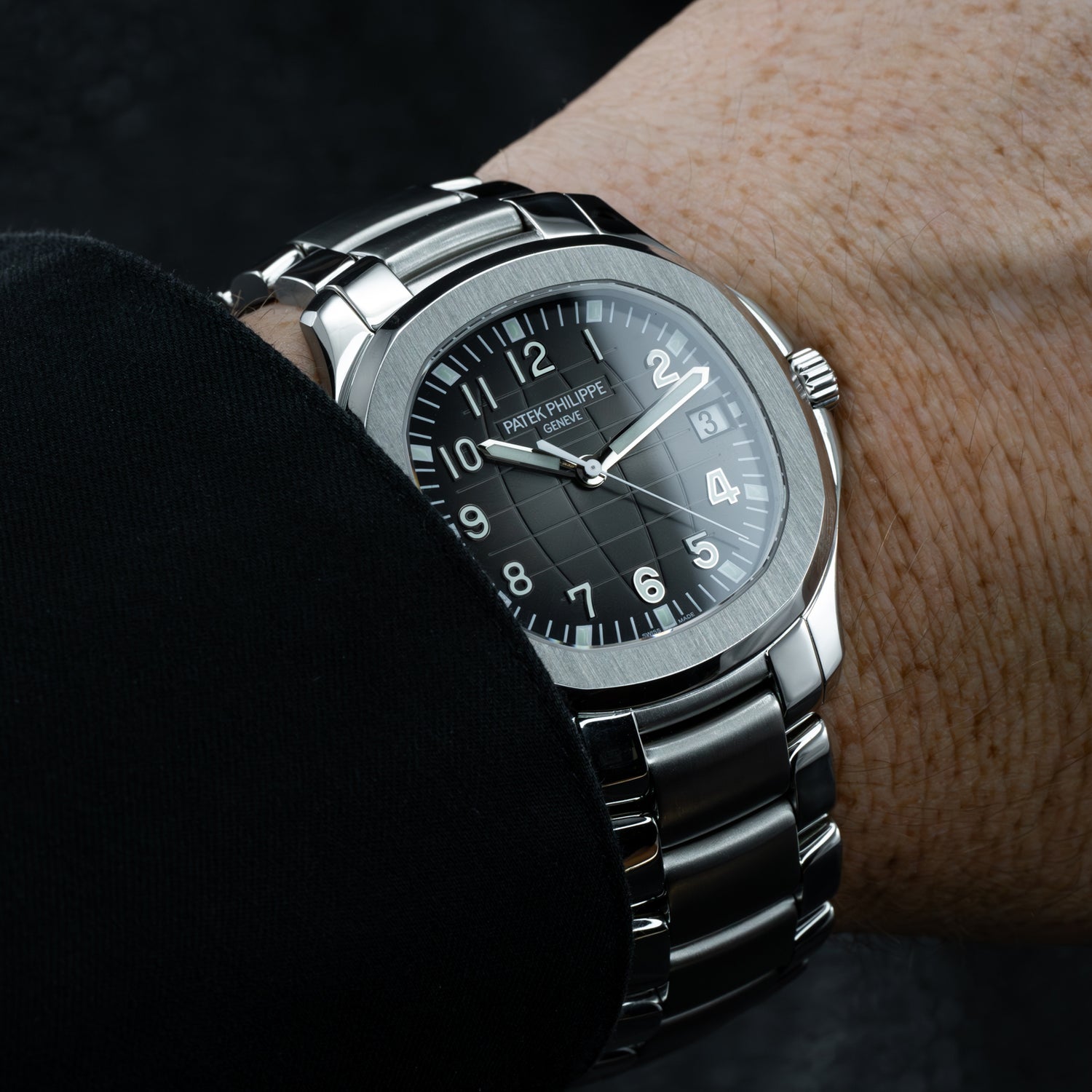
Differently than almost anywhere else in watchmaking. Many models are limited to a genuine handful worldwide, the Astronomia Sky saw just 18 examples produced, and some pieces are one-of-one commissions built directly with a specific collector. Entry pieces in the Epic X line start around $20,000 to $30,000, complicated pieces and the Astronomia collection climb past $250,000, signature pieces regularly exceed $1 million, and the most extreme examples have reached well into eight figures. Unlike Patek Philippe or Rolex, where a waitlist determines access, Jacob & Co. operates more like a bespoke artistic collaboration than a traditional retail queue.
Are Jacob & Co. pieces actually a good investment?
It's genuinely nuanced. Unlike brands with centuries of steady auction history, Jacob & Co. pieces are bought first as statement objects rather than for predictable appreciation. That said, certain limited editions and pieces with well-documented provenance have performed remarkably well at auction, and the brand's most iconic pieces continue to command genuine premiums on the secondary market. For a collector chasing a genuine mechanical showpiece with some store-of-value potential attached, specific models are worth serious consideration on their own terms.
What should you check before buying one pre-owned?
Confirm the specific reference and production number carefully, since so many Jacob & Co. pieces are genuinely limited or one-of-one. Check documentation and provenance closely given how much of this brand's value depends on authenticity and history, and understand that servicing a piece this complex requires a specialist genuinely experienced with multi-axis tourbillon architecture.
Jacob & Co. sits at the intersection of high jewelry, mechanical art, and design most brands wouldn't dare attempt. It's built for a collector who wants mechanical ingenuity and artistic vision on full display, the opposite instinct from someone chasing quiet restraint. If that's you, reach out and we'll talk through what's actually available.