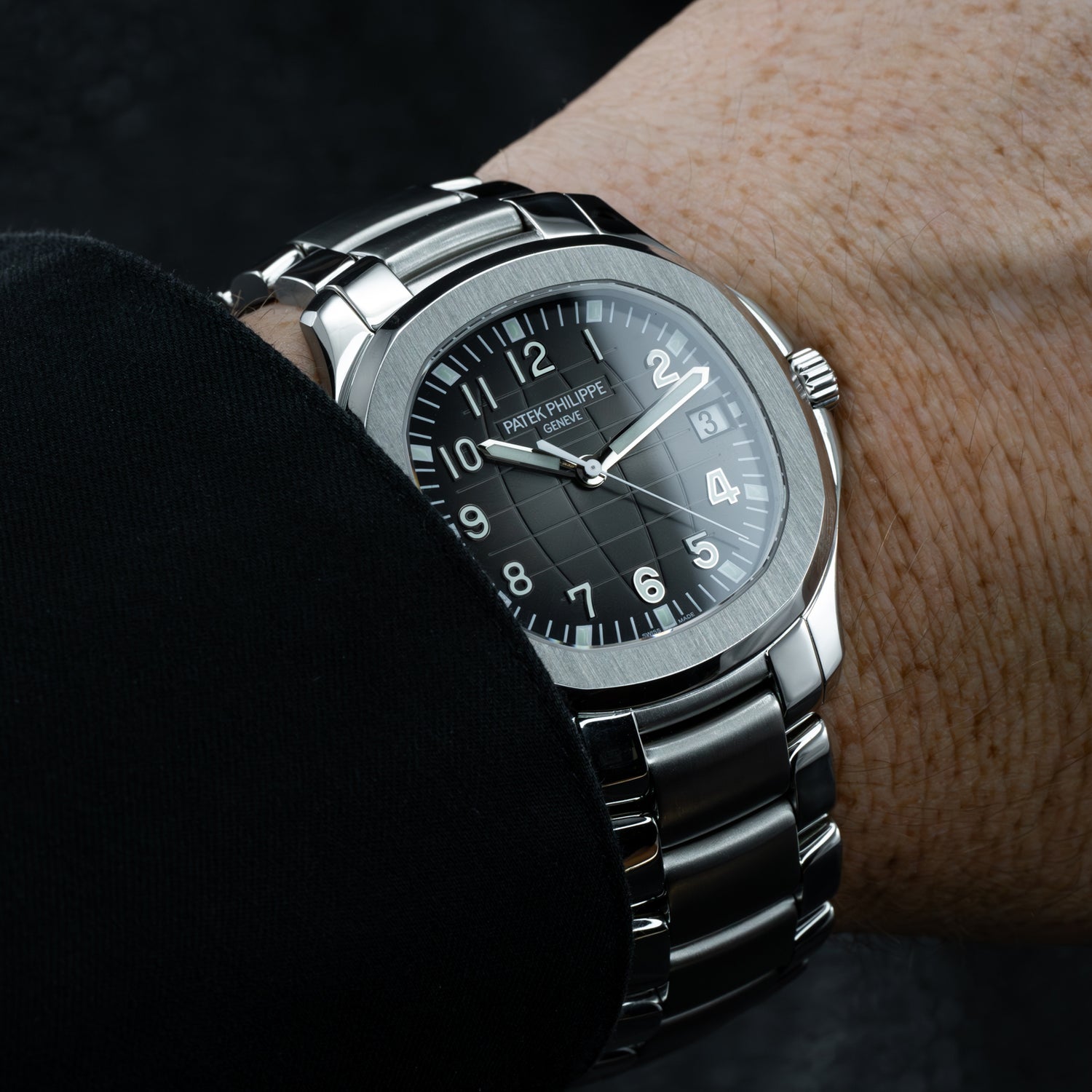

Building a genuinely strong watch collection comes down to a handful of practical habits: verify everything before you buy, keep documentation intact, store pieces properly, and be patient rather than chasing quick flips. None of this requires treating watches purely as an investment vehicle, it just protects the collection you're actually building for yourself.
People ask me for collecting advice constantly, and it usually comes down to the same practical habits repeated across every serious collector I've worked with. Here are the ones that actually matter.
1. Verify authenticity every single time
The luxury watch market has a genuine counterfeit problem, including "Frankenwatches," pieces assembled from a mix of genuine and counterfeit parts. Always verify authenticity before you buy, no exceptions.
2. Research the platform before you buy
Authorized dealers offer genuine security, full factory warranties and complete accessory sets, but that comes with long waitlists and pressure to buy pieces you're not actually interested in just to move up the list. That's exactly why a lot of collectors turn to the secondary market instead. Research whichever platform you're buying from and ask questions before you commit.
3. Verify documentation on every peer-to-peer transaction
Insist on original purchase receipts, warranty cards, service history, and factory boxes and papers. High-resolution photos of the movement and serial numbers help confirm the piece is what it claims to be.
4. Be extra cautious with vintage pieces
Originality affects value significantly. Period-correct dials, hands, and movements command a genuine premium over restored or replaced parts. Get professional authentication on vintage pieces specifically, every time.
5. Understand where the market actually is
Pay attention to both the big-picture trends across the industry and the smaller shifts affecting specific brands and models, collector preferences, case size trends, and where demand is actually moving.
6. Look at historical performance over the long run
Track price trends over 5 to 10 years rather than reacting to short-term swings. Resources like Chronext's price charts, WatchCharts' analytics, and auction house records all help here.
7. Compare retail and secondary market pricing directly
Watches priced near or below retail often carry better long-term potential than references already trading at steep premiums. Spotting that gap is worth the extra research time.
8. Protect condition if value matters to you
Collectors pay a genuine premium for near-new condition. Avoid polishing, keep factory stickers intact, and protect against scratches, moisture, and magnetic exposure.
9. Keep the original accessories together
A complete set, box, warranty card, manual, hang tags, and any model-specific accessories, can add genuine value, often 15 to 30 percent, with even higher premiums on vintage pieces.
10. Be careful about who services your watch
Factory servicing from the original manufacturer protects both the mechanism and the piece's long-term value. Servicing by an inexperienced technician can genuinely diminish value, especially if original parts get swapped out along the way.
11. Store pieces properly
Use watch winders for automatic movements, humidity-controlled storage to protect against moisture, and airtight containers with silica packets to prevent corrosion on anything sitting unworn.
12. Build genuine range into the collection
Balance across categories, price points, and market segments rather than concentrating everything in one lane. A well-rounded collection mixes established blue-chip pieces, rising independents, historically significant references, and the occasional vintage piece.
13. Keep some liquidity in the mix
Spreading purchases across a range of price points gives you more flexibility to trade up or respond to opportunities when they actually show up.
14. Be patient
Rapid appreciation on a handful of references over the past few years created unrealistic expectations across the board. Holding for the long term tends to beat chasing quick resale profit on nearly every piece.
15. Understand what actually drives appreciation
Generational shifts in taste, natural attrition of well-preserved examples, and growing scholarly attention on specific references all genuinely contribute to long-term value over time.
16. Buy smart at retail
Some references command an immediate secondary-market premium. Others trade below retail for years before collectors catch on. Prioritizing genuine quality over whatever's currently trending tends to pay off better in the long run.
17. Build the foundation with sound habits
Buy from sources you actually trust, study the market data, keep pieces in excellent condition, and build genuine range into the collection. That combination is what actually holds up over years of collecting.
If you want to talk through where your own collection actually stands or what to add next, reach out.