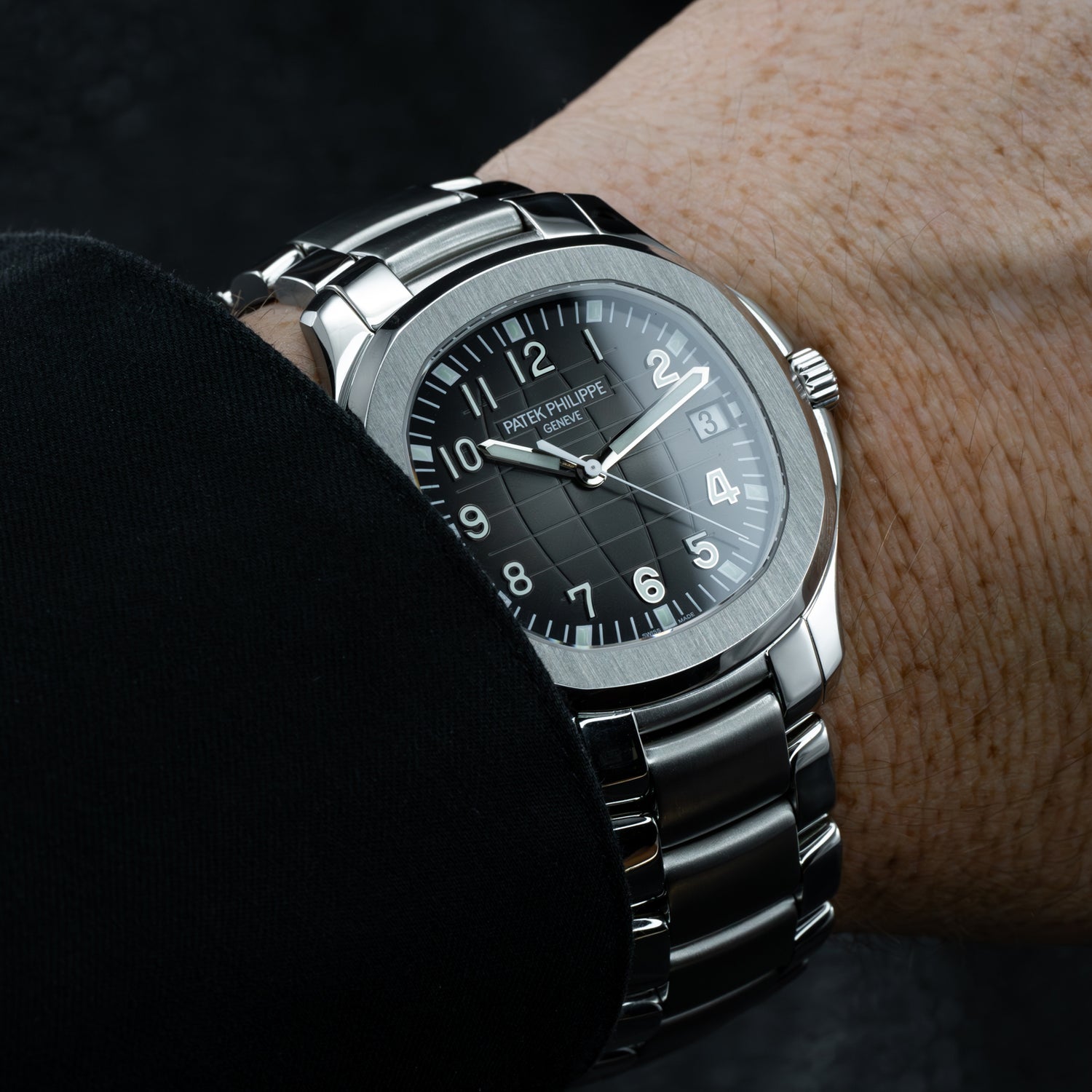

Case material is never just about looks or toughness, it shapes how a watch wears, what it costs, and what it actually says about the person wearing it. Steel is the versatile default. Gold signals tradition and status. Titanium and ceramic chase modern performance. Platinum sits at the very top. Here's how ten different materials actually compare, and what each one is really telling you.
People spend a lot of time comparing movements and complications and surprisingly little time thinking about case material, even though it shapes how a watch wears every single day and says something genuine about the person choosing it.
What does stainless steel actually say about a collector?
Pragmatism and confidence, mostly. Steel is the workhorse of the watch world, durable, corrosion-resistant, and versatile enough to suit both casual and formal settings. It gained genuine prominence with the rise of tool watches, and references like the Rolex Submariner and Daytona, both built in 904L steel, are exactly why. Audemars Piguet's Royal Oak, launched in 1972, was one of the first luxury watches built entirely in steel, and it changed how the whole industry thought about the material.
The tradeoff: steel is heavier than titanium and carries less built-in exclusivity than a precious metal. For most collectors, that's a fair trade for the versatility.
Why do collectors choose titanium over steel?
Weight, mostly, and a more modern look. Titanium runs lighter than steel while staying just as durable, and it's become a favorite for collectors who value technical performance over tradition. Citizen introduced the first titanium wristwatch back in the 1970s, and today you'll see it in sportier references like the IWC Big Pilot's Watch and the Omega Seamaster Ultra Light, plus Richard Mille's ultra-lightweight tourbillon cases in Grade 5 titanium.
It costs more to machine than steel and scratches a bit more easily, with a more muted luster overall. Most collectors who choose it are trading a small amount of shine for meaningfully less weight on the wrist.
How do yellow, white, and rose gold actually differ?
Each one signals something distinct. Yellow gold is the traditional, classic choice, the Rolex Day-Date ("the President's Watch") and the Patek Philippe Calatrava both built their reputations on it. It conveys heritage and legacy, though it's soft, prone to scratching, and reads as too showy for some tastes.
White gold gives you the same prestige with a cooler, more discreet look, the Rolex Sky-Dweller and Vacheron Constantin Patrimony both use it to project refinement without shouting about it. It does need periodic rhodium re-plating as it wears.
Rose gold takes on a warm, blush tone from its copper content, seen in pieces like the A. Lange & Söhne Saxonia and Omega Speedmaster in Sedna gold. It reads as more contemporary and creative than the other two, though the copper content makes it slightly less hypoallergenic.
What makes ceramic worth the premium over metal?
Scratch resistance, mostly, plus a distinctly modern look. Ceramic is lightweight and extremely resistant to daily scuffs, visible in pieces like the Omega Speedmaster Dark Side of the Moon, the Chanel J12, and Hublot's Big Bang Unico Ceramic. It appeals to collectors who want a futuristic, minimalist aesthetic paired with genuine daily durability.
Its actual limitation is impact resistance rather than scratch resistance. A hard direct impact can chip or crack a ceramic case in a way steel would simply dent, and repairs are more involved than with metal.
What's the appeal of a bronze case specifically?
Character that develops over time. Bronze carries genuine naval heritage, historically used in maritime tools and diving helmets, and Panerai brought it into modern watchmaking with the Luminor Submersible Bronzo in 2011. Tudor's Black Bay Bronze and Oris's Carl Brashear Limited Edition helped cement its place with collectors since. As bronze oxidizes, it develops a patina unique to each individual watch, which is exactly the appeal for collectors chasing that evolving, vintage character. The tradeoff is that it can oxidize unevenly and may stain skin, so it asks a little more maintenance from the owner.
Why do some brands use carbon fiber instead of metal entirely?
Weight and pure visual distinctiveness. Carbon fiber, borrowed from motorsport and aerospace engineering, is extremely light, rigid, and instantly recognizable by its layered texture. Forged carbon, a more advanced variant made by compressing carbon fiber into distinctive patterns, shows up in pieces like the Audemars Piguet Royal Oak Offshore and select Richard Mille references. It tends to run expensive and reads as a niche aesthetic choice, favored heavily by athletes and collectors drawn to a technical, motorsport-adjacent look.
Why is platinum considered the top of the hierarchy?
Density and rarity, mostly. Platinum is the heaviest and most prestigious material in watchmaking, with a solid, reassuring weight most brands reserve for flagship or limited-edition references only. It doesn't tarnish and wears beautifully over decades. Patek Philippe's Grand Complications line leans on it heavily, as does the Rolex Day-Date 40 in its ice-blue configuration and the platinum Daytona with its ice-blue dial and chocolate bezel. The tradeoff is straightforward: platinum is genuinely expensive, scratches more easily than its appearance suggests, and carries genuine weight on the wrist, which some collectors love and others find fatiguing over a full day.
Does aluminum have a place in serious watchmaking?
A smaller one, but yes. Anodized aluminum brings color and a lighter, more playful energy to a category that otherwise skews serious. Omega used aluminum bezels on the Speedmaster back in the 1970s, and more recently Bulgari's Aluminum collection and select Hublot limited editions have revisited it with modern updates. It's softer and less scratch-resistant than steel, and it reads as a more casual, accessible material rather than a flagship one, which is exactly the point for the collector reaching for it.
Which material is actually the most durable?
Ceramic and titanium both lead here, just in different ways. Ceramic resists scratches almost completely. Titanium resists corrosion and general wear exceptionally well, which is why both show up so often in sports and outdoor references.
Which case material actually holds value best?
Platinum and gold, particularly yellow and white, tend to hold value well simply because of their precious-metal status. Steel references from established brands like Rolex and Patek Philippe can hold or even appreciate too, often specifically because of scarcity dynamics rather than the material itself.
How should you actually choose a material for your own lifestyle?
Match it to how you'll actually live in the watch. Titanium and steel suit an active, daily-wear lifestyle. Gold and platinum suit more formal, luxury-focused wear. Ceramic and carbon fiber tend to appeal to a more minimalist, tech-forward collector. The right material is whichever one actually fits how you'll wear the piece day to day.
What should you check before buying a pre-owned piece in any of these materials?
Confirm the specific reference and material configuration, since case material often affects both desirability and resale value more than buyers expect going in. Check documentation and service history with the same care regardless of material, and understand that platinum, ceramic, and forged carbon in particular benefit from a specialist familiar with that specific material rather than a generalist watchmaker.
Your watch says something about you before you ever say a word. If you want help figuring out which material actually fits what you're after, reach out and we'll walk through it together.