Most luxury watches aren't great investments, and I've written about that elsewhere. But a genuine handful of references, mostly steel sports watches from Patek Philippe, Audemars Piguet, Vacheron Constantin, and Rolex, have appreciated meaningfully over time, driven by genuine production scarcity rather than trend-chasing. Here's what actually separates those references from the rest of the catalog.
I've already made the case that most watches shouldn't be bought purely as investments. This post is about the narrower question underneath that: for the handful of references that genuinely have appreciated, what's actually driving it?
Why do the "Holy Trinity" brands come up in every serious conversation about this?
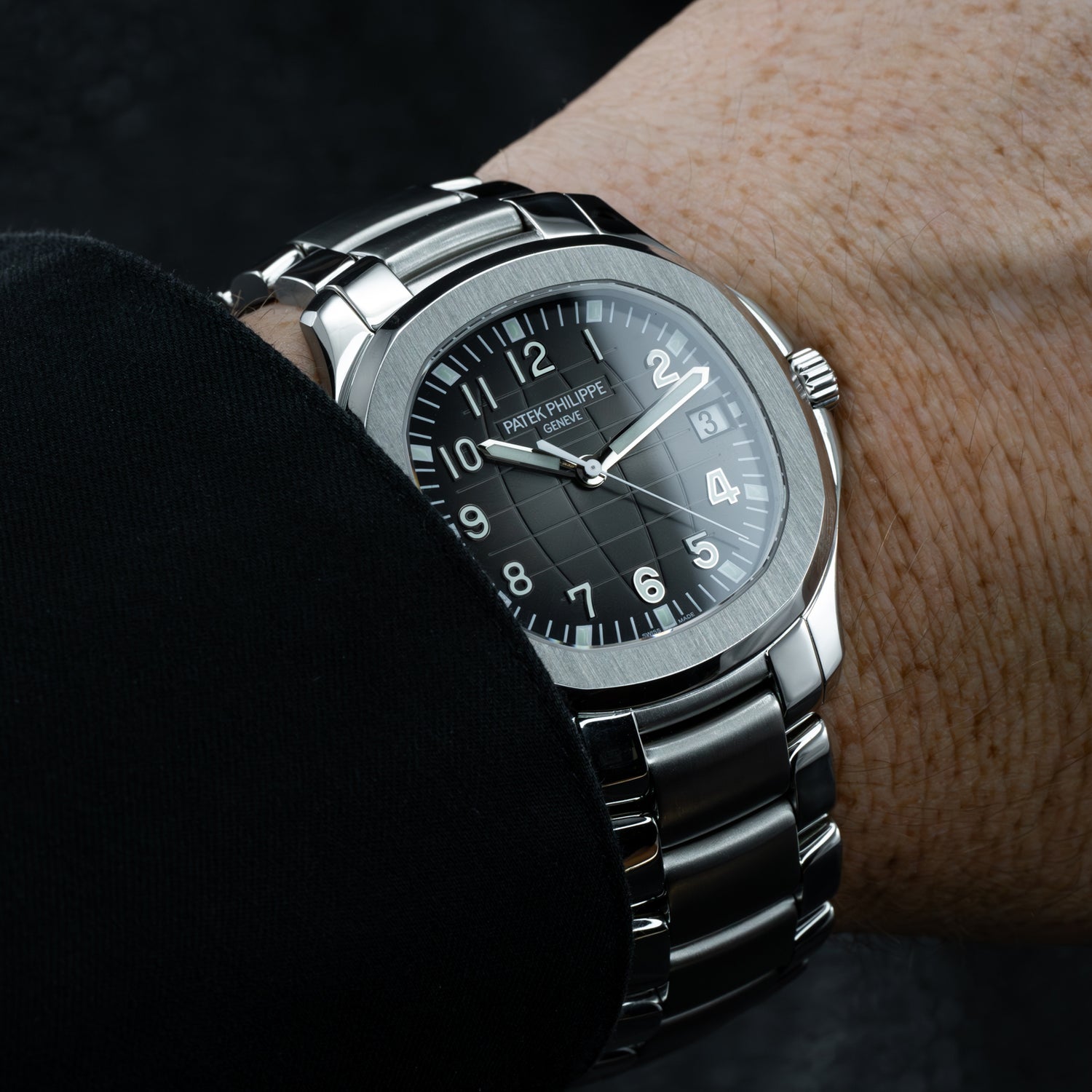
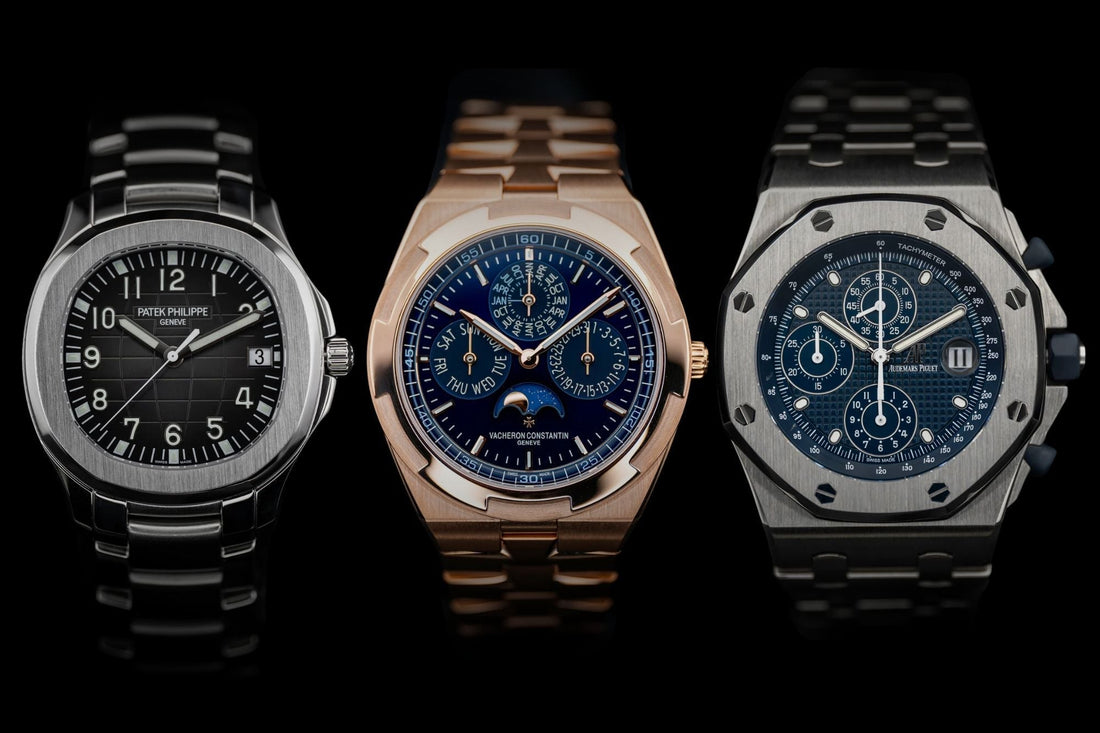
Patek Philippe, Audemars Piguet, and Vacheron Constantin get called the "Holy Trinity" of watchmaking because all three combine genuine manufacturing depth with production volumes low enough to create genuine scarcity. Patek Philippe has built its reputation on manufacturing philosophy and complication depth, with the steel Nautilus, particularly the now-discontinued 5711, becoming the clearest example of what happens when demand outpaces supply for a specific reference. Audemars Piguet revolutionized the category in 1972 with the Royal Oak, the first true luxury sports watch in steel, and references like the Royal Oak Jumbo continue to hold serious collector demand. Vacheron Constantin, founded in 1755 and the oldest continuously operating watchmaker, has built the Overseas line into a genuine competitor in the same space, historically overshadowed by the other two but gaining genuine recognition.

Does Rolex belong in this same conversation despite making far more watches?
Yes, and it's exactly because of how Rolex manages scarcity differently than the Trinity brands. Rolex builds at genuine industrial scale, an estimated million watches a year since the brand doesn't officially disclose figures, but strategic allocation of specific steel sports references, the Submariner, GMT-Master II, and Daytona among them, keeps demand well ahead of supply for those exact models. Discontinued references like the "Hulk" Submariner have shown genuine appreciation specifically because Rolex controls its own product lifecycle deliberately, and vintage references from the 1950s through 1970s continue to hold serious value at auction.

What about brands outside the Trinity and Rolex?
A. Lange & Söhne has built a genuine reputation for German finishing and controlled production out of Glashütte, with references like the Lange 1 and the Datograph carrying genuine weight among serious collectors specifically because production stays deliberately limited. Independent watchmakers like F.P. Journe operate at an even smaller scale, producing under a thousand pieces a year total, and early examples of certain references have become genuinely significant to collectors precisely because so few exist.

Why does scarcity actually drive appreciation more than anything else?
Because appreciation almost always traces back to production staying genuinely limited relative to demand, whether through deliberate allocation strategy or an actual discontinuation, rather than any other single factor. The Trinity brands maintain that scarcity through consistently low annual production. Rolex achieves something similar despite far higher overall volume by carefully allocating its most-wanted steel sports references specifically. Limited editions and special series can create additional scarcity, particularly when tied to genuinely significant anniversaries or collaborations, though that effect tends to be more pronounced and less predictable than production-driven scarcity.
Why does steel often outperform precious metal in this specific context?
This is one of the more counterintuitive patterns in the category. Steel sports references from Patek, AP, and Rolex have often appreciated more than their gold or platinum counterparts of the same model, specifically because steel production runs even more limited relative to demand within those catalogs. The material itself carries little of that premium, the scarcity dynamics are what concentrate there for these particular references.
Do complications and in-house movements actually matter for long-term value?
Generally, yes. Watches with fully in-house movements, designed and built entirely by the brand rather than sourced from an outside supplier, tend to carry more prestige and typically hold value better over time. Complications like perpetual calendars, chronographs (especially split-seconds versions), minute repeaters, and tourbillons add genuine technical depth and collector appeal on top of whatever the base reference already carries, though the specific complication matters less than the reference's overall scarcity and reputation.
How much do condition and documentation actually affect value?
Significantly, across the board. Original, unreplaced parts matter enormously, since swapped dials, hands, or movement components can meaningfully reduce a watch's value. Complete, documented service history protects both function and value. Box, papers, and original purchase documentation add genuine value on top of the watch itself, and a documented, verifiable ownership history can matter too, though this is a smaller factor than authenticity and condition for most references.
Where should you actually buy if you're building toward pieces like these?
It depends on what you're prioritizing. Auction houses like Phillips, Sotheby's, and Christie's offer genuine authentication and public price discovery, well suited to rare or historically significant pieces. A reputable dealer offers faster liquidity and ongoing expertise. Private sales can offer the best price but carry the most risk, since authentication and recourse depend entirely on the two people involved. I've written a fuller breakdown of that exact tradeoff if you want the complete picture.
What's the actual way to approach this?
Buy pieces you genuinely want to own first. If a specific reference happens to hold or grow in value because of genuine scarcity, treat that as a genuine bonus rather than the reason for the purchase. The collectors who do best long-term buy quality, authenticity, and condition they actually understand, and hold with patience rather than trying to time a market that doesn't move predictably. Chasing appreciation as the primary goal is exactly how buyers end up disappointed.
If you're weighing a specific reference and want a straight read on whether it's genuinely scarce or just currently trendy, reach out. I'll give you a straight answer either way.